Ema. Glückwunsch zum Jahr des Affen 1992

- Time
- Owner Organization
Ema: Glückwunsch zum Jahr des Hahnes 1993
Ethnological Museum of Berlin
Europeana API
An den Bundesrat. Mitbericht des Eidg. Finanz- und Zolldepartements zum Bericht und Antrag des Eid...
Swiss Federal Archives
Europeana API
Die wirtschaftliche Entwicklung Japans von der Niederlage 1945 bis zum Ende des Koreakrieges 1951 ...
Seminar fuer Wirtschafts- und Unternehmensgeschichte, Universität Köln
Europeana API
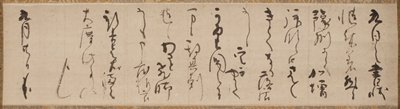
(Letter of congratulations)
Minneapolis Institute of Arts
Minneapolis Institute of Art API
![[`1943 A Merry Christmas and Happy New Year to all Dutch at S...]](https://api.europeana.eu/api/v2/thumbnail-by-url.json?uri=http%3A%2F%2Fwww.beeldbankwo2.nl%2Fcgi-bin%2Ffrsiserver.dll%2Fthumbnail%2F180541-thumb.jpg%3Ffrskey%3D180541&type=IMAGE)
[`1943 A Merry Christmas and Happy New Year to all Dutch at S...]
NIOD Institute for War, Holocaust and Genocide Studies
Europeana API
![[`1943 A Merry Christmas and Happy New Year to all Dutch at S...]](https://api.europeana.eu/api/v2/thumbnail-by-url.json?uri=http%3A%2F%2Fwww.beeldbankwo2.nl%2Fcgi-bin%2Ffrsiserver.dll%2Fthumbnail%2F180540-thumb.jpg%3Ffrskey%3D180540&type=IMAGE)
[`1943 A Merry Christmas and Happy New Year to all Dutch at S...]
NIOD Institute for War, Holocaust and Genocide Studies
Europeana API
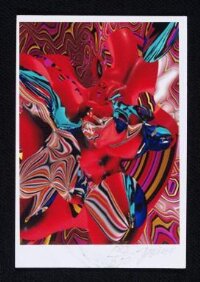
Untitled ('A Happy New Year')
Victoria and Albert Museum
Victoria and Albert Museums API

A queer source of amusement: A daughter of Japan playing a "Mamezo," a toy made of wood and beans
Auckland Libraries
DigitalNZ New Zealand API
Mr. Quo Tai-chi. could give. She would fight for freedom to the bitter end. China now had 2,400,000 men in t...
National Library of New Zealand
DigitalNZ New Zealand API

The Actors Segawa Kikunojo III as Okoma (right), and Arashi Sangoro III as the Hairdresser Obana Saizaburo (left), in the Play Koi Musume Mukashi Hachijo, Performed at the Nakamura Theater in the Third Month, 1776
Art Institute of Chicago
Art Institute of Chicago API
"You can come whenever you like - all you gotta do is ask" [Defence Minister Robert Ray talking to Japan's Emperor Hakihito] Pryor
National Library of Australia
Trove: National Library of Australia

Starting with Ōbashi Yoshikani, the Forty-Seven Loyal Retainers Achieve their Purpose and Make an Offering at Engakuji on Mt. Banshō (Ōbashi Toshikane o hajime yonjūyonin no gishi hon'i o tasshi Banshōzan Engakuji hikitori shōkō no zu)
Philadelphia Museum of Art
Philadelphia Museum of Art collection

Starting with Ōbashi Yoshikani, the Forty-Seven Loyal Retainers Achieve their Purpose and Make an Offering at Engakuji on Mt. Banshō (Ōbashi Toshikane o hajime yonjūyonin no gishi hon'i o tasshi Banshōzan Engakuji hikitori shōkō no zu)
Philadelphia Museum of Art
Philadelphia Museum of Art collection

Starting with Ōbashi Yoshikani, the Forty-Seven Loyal Retainers Achieve their Purpose and Make an Offering at Engakuji on Mt. Banshō (Ōbashi Toshikane o hajime yonjūyonin no gishi hon'i o tasshi Banshōzan Engakuji hikitori shōkō no zu)
Philadelphia Museum of Art
Philadelphia Museum of Art collection

The Actors Nakamura Nakazo I as Omi no Kotoda (right), and Otani Hiroji III as Bamba no Chuda (left), in the Joruri "Sono Chidori Yowa no Kamisuki" (The Plovers: Combing Hair at Midnight), from Part Two of the Play O-atsurae-zome Soga no Hinagata (A Soga Pattern Dyed to Order), Performed at the Nakamura Theater from the Tenth Day of the Third Month, 1774
Art Institute of Chicago
Art Institute of Chicago API

On the Night of the 8th of the February, 1904, Our Brave Fleet of Torpedo Boats Fired at the Russian Squadron at Port Arthur and Sank the Enemy's Three Battleships. What a Brilliant Success!
Philadelphia Museum of Art
Philadelphia Museum of Art collection

On the Night of the 8th of the February, 1904, Our Brave Fleet of Torpedo Boats Fired at the Russian Squadron at Port Arthur and Sank the Enemy's Three Battleships. What a Brilliant Success!
Philadelphia Museum of Art
Philadelphia Museum of Art collection

The Actors Nakajima Mihoemon II as Fujiwara no Shihei, Minister of the Left (center, in the carriage), Ichikawa Ebizo III as Matsuo-maru (center, kneeling on the ground), Ichikawa Yaozo II as Sakura-maru (right), and Ichimura Uzaemon IX as Umeo-maru (left), in the "Carriage Stopping" (Kuruma-biki) Scene from the Play Sugawara Denju Tenarai Kagami (Sugawara's Secrets of Calligraphy), Performed at the Ichimura Theater from the Sixteenth Day of the Seventh Month, 1776
Art Institute of Chicago
Art Institute of Chicago API
Ema: Spielzeug-Schlange
Ethnological Museum of Berlin
Europeana API
Ema: Mädchen reitet auf Tiger
Ethnological Museum of Berlin
Europeana API
Ema : Ôji Inari
Ethnological Museum of Berlin
Europeana API
Ema: Sarugami 猿神
Ethnological Museum of Berlin
Europeana API
Ema: Darstellung Buddhas Amida-nyorai 阿弥陀如来
Ethnological Museum of Berlin
Europeana API
Ema: Kurikara-ryûô 倶利伽羅龍王 (Drachenkönig)
Ethnological Museum of Berlin
Europeana API
Ema: Schiff des Futsuneshi no Ôkami 経津主大神の船
Ethnological Museum of Berlin
Europeana API
Ema: Yotsuwaribishi 四つ割り菱 und Hanabishi 花菱
Ethnological Museum of Berlin
Europeana API
Ema: Drei Hasen mit Shinto-Reifen
Ethnological Museum of Berlin
Europeana API
Ema: Affe mit Spielzeugpferd
Ethnological Museum of Berlin
Europeana API
Ema: Kodakara to Anzankigan 子宝・安産祈願
Ethnological Museum of Berlin
Europeana API
Ema: Schlafender Mönch (びっしゅ) mit Mäusen
Ethnological Museum of Berlin
Europeana API
Last Updated:
Uploaded: 2021-07-27