Cultural Japan Exhibitions Archive
Archive of exhibition information RDF
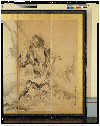
奇想ここに極まれり|曽我蕭白展
力強い筆墨と極彩色で超現実的な世界を描き出した蕭白のあくの強い画面は、グロテスクでありながらおかしみもたたえ、見る人をひきつけて止みません。本展では、強烈な印象を与える蕭白の醜怪な表現を紹介すると共に、その原点となった桃山時代の絵画、そして江戸時代初期の絵画との関係を掘り下げることで、蕭白がいかにして型を破り、奇矯な画風を打ち立てたのかを明らかにし、また晩年の作品への変化を通して画業の到達点を見定めます。。(ジャパンサーチ愛知県美術館ギャラリーから)
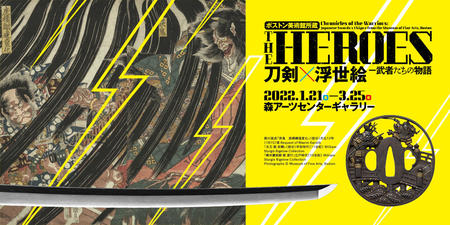
THE HEROES 刀剣×浮世絵-武者たちの物語
武者絵は『平家物語』のような軍記物語や武勇伝説に登場する英雄ヒーロー を描いた絵画です。浮世絵の祖と言われる菱川師宣の時代から、江戸後期の歌川国芳、明治期の月岡芳年にいたるまで、 多くの浮世絵師が武者絵を手掛けました。源頼光、源義経、上杉謙信、武田信玄などの武将のほか、スサノオノミコトの武勇、巴御前のような女武者の奮戦も描かれています。武者絵は伝統的に描き継がれたことで、時代を越えて広く親しまれていました。本展覧会では、世界最高水準の日本美術コレクションを誇るボストン美術館の所蔵品から厳選した刀剣と武者絵率100%の浮世絵版画、そして武者絵と共通のイメージがデザインされた刀剣の鐔つばを通じて、さまざまなヒーローたちの活躍をご紹介します。また、武者絵の世界をよりわかりやすくご紹介するため、国内コレクションからも刀剣、浮世絵を特別出品します。(公式サイトから)

江戸絵画名品展--プーシキン美術館
平成30年度は「ロシアにおける日本年」であることを受け,文化庁と東京国立博物館は,所蔵の江戸絵画作品を中心として,千葉市美術館,板橋区立美術館などが所蔵する作品に,ロシア所在の優品を加えて展示する「江戸絵画名品展」を開催することとなりました。この展覧会では,武家好みの瀟洒な作風により幕府御用絵師として江戸絵画の基調を確立した狩野探幽をはじめとした狩野派諸家の作品はもとより,江戸時代中期の文化の多様化を反映した円山応挙,与謝蕪村,伊藤若冲,曽我蕭白など京都諸派による個性豊かな作品,日本美術が海外で注目される嚆矢となり,ジャポニスムの大きな影響を世界に生み出した浮世絵や琳派の作品,特に昨今世界的ブームとなっている葛飾北斎や尾形光琳などの作品を含んだ名品135件により,江戸時代絵画の魅力を紹介するものです。(公式サイトから)

縄文―日本における美の誕生--パリ日本文化会館
「ジャポニスム2018」としてフランス・パリの日本文化会館おいて「縄文―日本における美の誕生」展を開催します。東京国立博物館で開催された特別展「縄文-一万年の美の鼓動」を再構成し,縄文時代の美を体現する国宝火焔型土器をはじめとした土器に加え,土偶や装身具など,国宝や重要文化財を含む縄文時代を代表する造形を展示します。(公式サイトから)
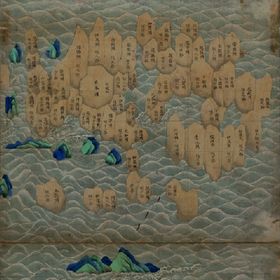
Maps, Drawing etc
国立公文書館が所蔵する地図・図面資料を紹介します
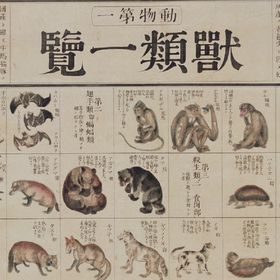
Hakubutsuzu etc
国立公文書館デジタルアーカイブの「資料いろいろ―博物図等」から
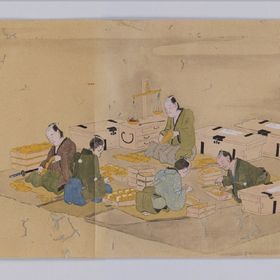
Emakimono etc
国立公文書館デジタルアーカイブの「資料いろいろ―絵巻物等」から
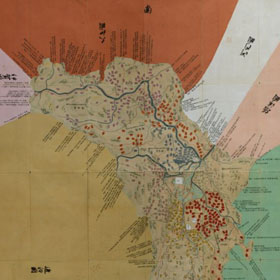
Important Cultural Properties - Classic Maps
The Tokugawa Shogunate ordered four times in years of Keicho, Shoho, Genroku and Tempo to prepare maps of every "kuni" (country) all over Japan.
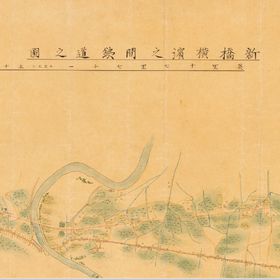
Important Cultural Properties - Documents
国立公文書館が所蔵する重要文化財のうち公文書に区分されるもの。
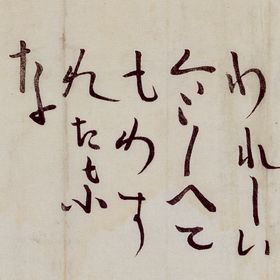
Mikkigusa
Mikikigusa (total 176 volumes) containing information and records written or filed by direct retainer Miyazaki Narichika during closing days of Edo period abounds with many interesting illustrations and beautiful color diagrams. Some of them are shown here.
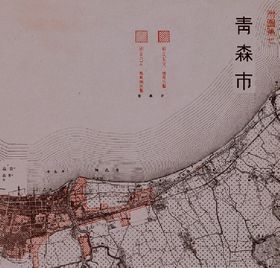
Drawings of Air-raid damaged Sites of 1945
昭和20(1945)年12月、戦災の概況を復員帰還者に知らせるために、第一復員省資料課によって、全国主要都市戦災概況図は作成されました。まえがきには、当時帰還しつつあった復員軍人軍属の内地上陸にあたっての質問第一声が、概ねまず戦災概況についてであることを知り、この調査の重要性とその迅速な調整の必要とを痛感した、と述べられています。

Hokusai from the British Museum - together with masterpieces of painting from collections in Japan
大英博物館には、複数のコレクターから入手した北斎の優品が多数収蔵されており、そのコレクションの質は世界でもトップクラスです。本展では、この大英博物館が所蔵する北斎作品を中心に、国内の肉筆画の名品とともに、北斎の画業の変遷を追います。約70年におよぶ北斎の作画活動のなかでも、とくに還暦を迎えた60歳から、90歳で亡くなるまでの30年間に焦点を当て、数多くの代表作が生み出されていく様子をご紹介します。また、大英博物館に北斎作品を納めたコレクターたちにも注目し、彼らの日本美術愛好の様相を浮き彫りにします。(公式サイトから)
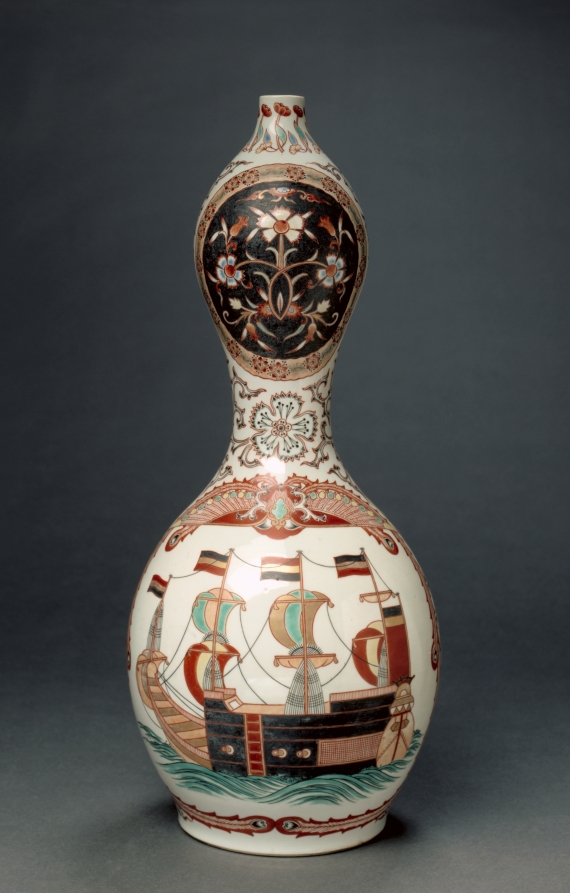
Unfolding Beauty: Japanese Screens from the Cleveland Museum of Art
Byobu: The Art of the Japanese Screen
Dutch Art and Life in the Seventeenth Century
Japanese Screens from the Museum and Cleveland Collections
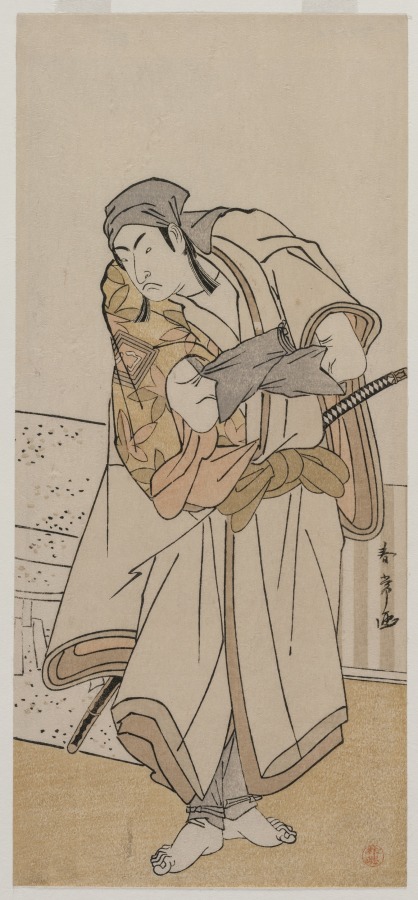
Collecting Drawings in England
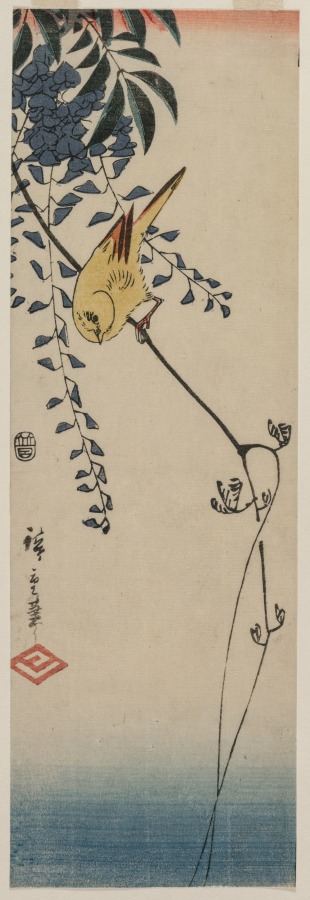
Japanese Prints from the Museum Collection
Materials of the Artist

Japanese Hair Ornaments, Pouches and Toilet Articles
Monet & Japan
Transformations in Japanese Printmaking
Exhibition of the Month: Ways of Drawing Nudes
The View from Afar: Whistler and the Japanese Print
Promenades, Pageants, Processions, and Pilgrimages
Visions of Japan: Prints and Paintings from Cleveland Collections
Visions of Landscape: East and West
The Art of Printmaking
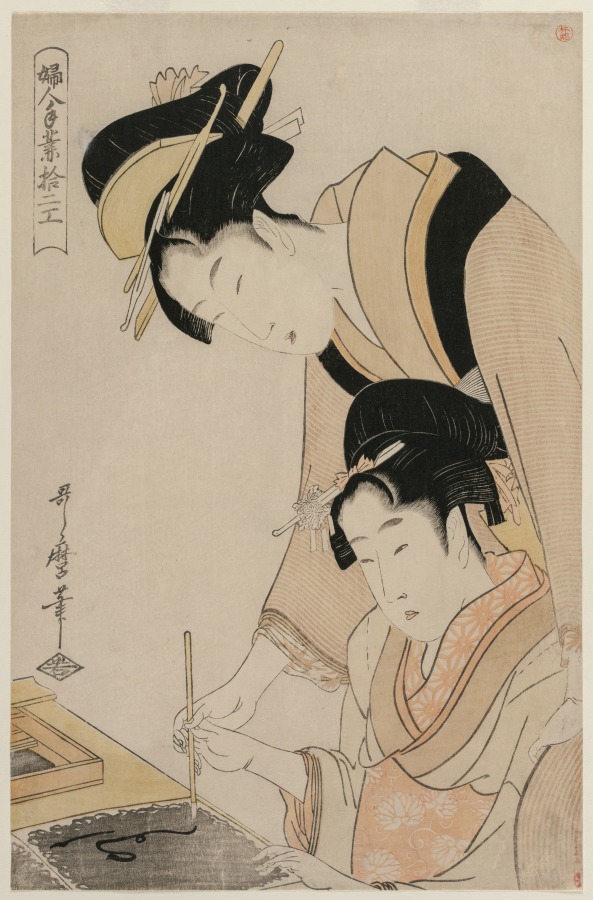
Ways of Drawing Faces
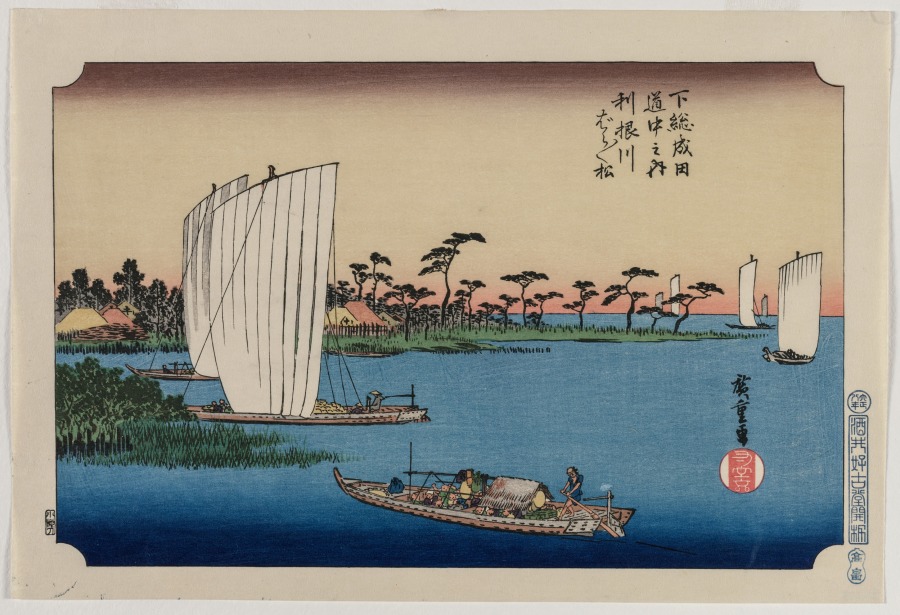
Nature Sublime: Landscapes from the 19th Century
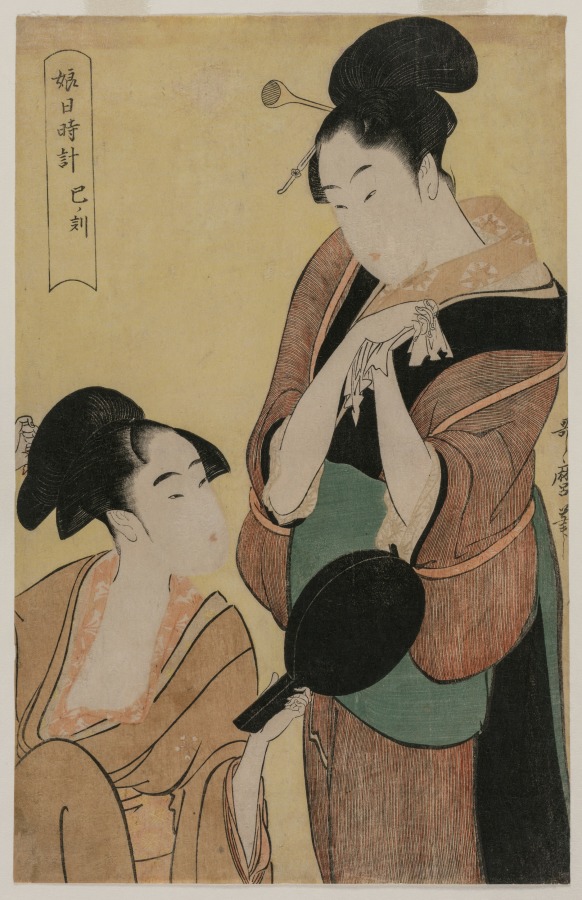
Vincent Van Gogh
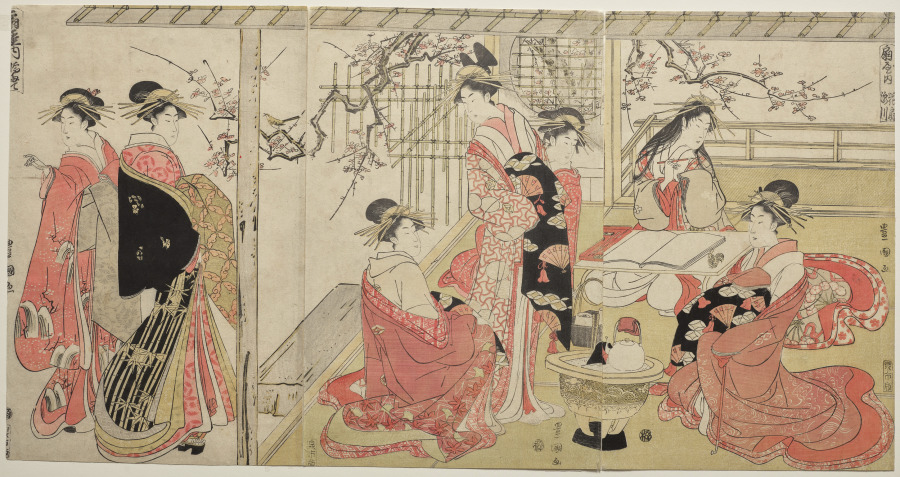
Japanese Gallery 235 Rotation - March-July 2017
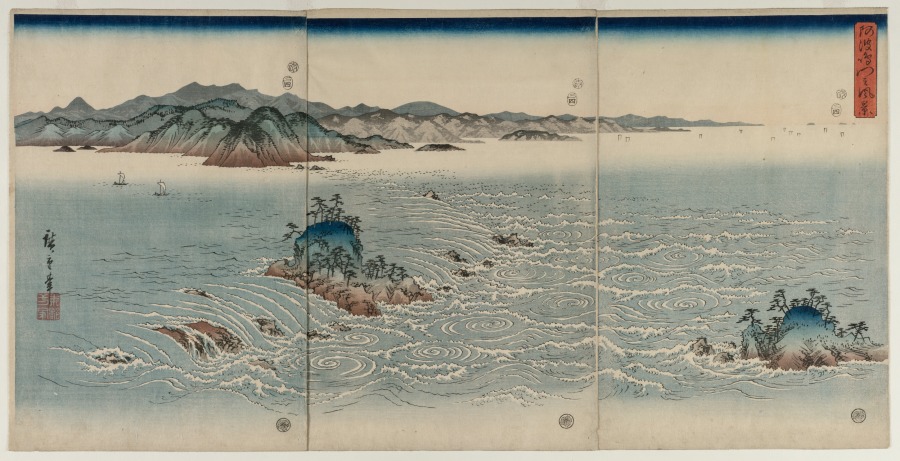
The Sea
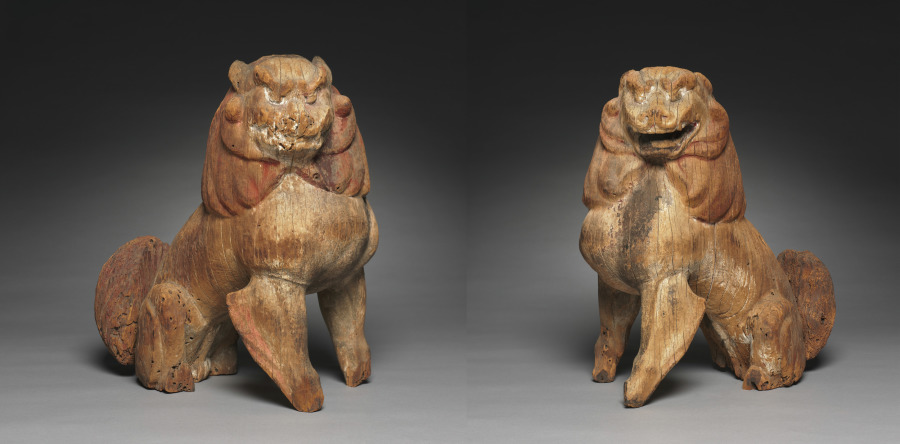
Inaugural Exhibition
Exhibition of the Month: The Artist, The River and the Sea
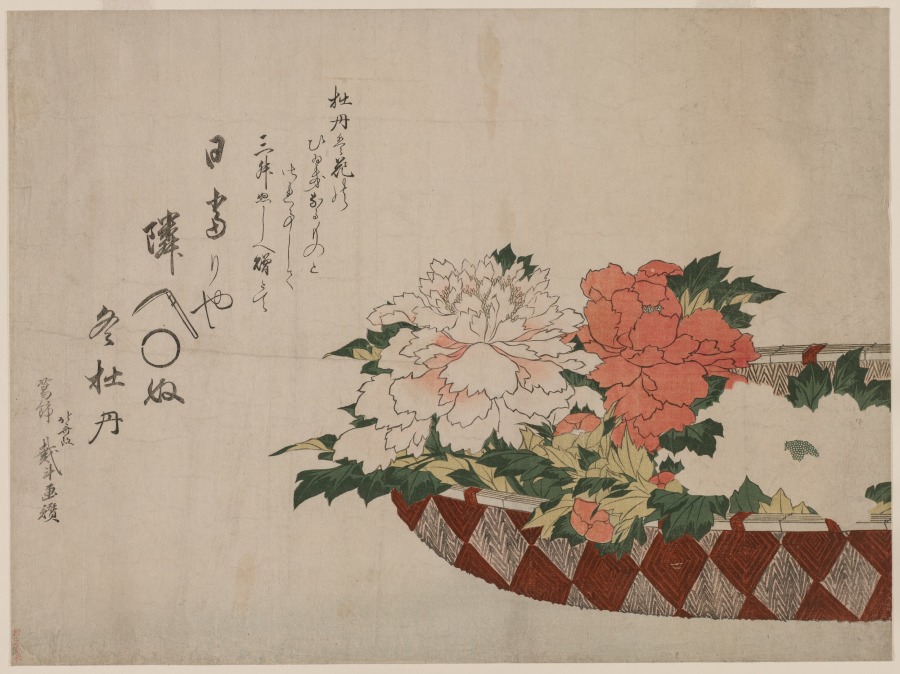
Exhibition of the Month: Flowers in Art
Traditions and Revisions: Themes from the History of Sculpture
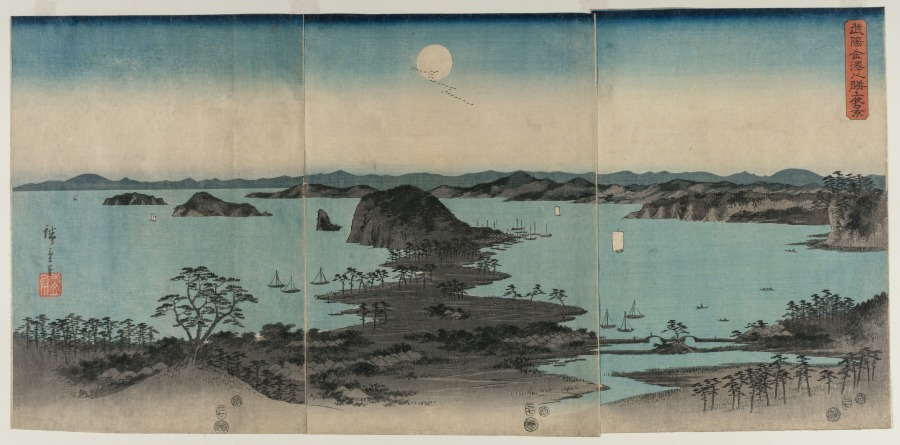
Japanese Gallery 235 Rotation - July 2018-January 2019
Art: The International Language
The Silver Jubilee Exhibition
Japanese Gallery 235 Rotation - January 2018-July 2018
Japanese Gallery 235 Rotation - January-July 2017
Consuming Passions: The Art of Food and Drink
Portraiture: The Image of the Individual
Japanese Decorative Style
Admired from Afar: Masterworks of Japanese Painting from the Cleveland Museum of Art
Reflections of Reality in Japanese Art
The Triumph of Japanese Style: 16th Century Art in Japan
The Twentieth Anniversary Exhibition: The Official Art Exhibit of the Great Lakes Exposition
Highlights of Asian Paintings from The Cleveland Museum of Art
Restoration at Tokyo National Research Institute of Cultural Properties
Exhibition of the Month: Herbs in Art
Japanese Gallery 235 Rotation - September 2016-January 2017
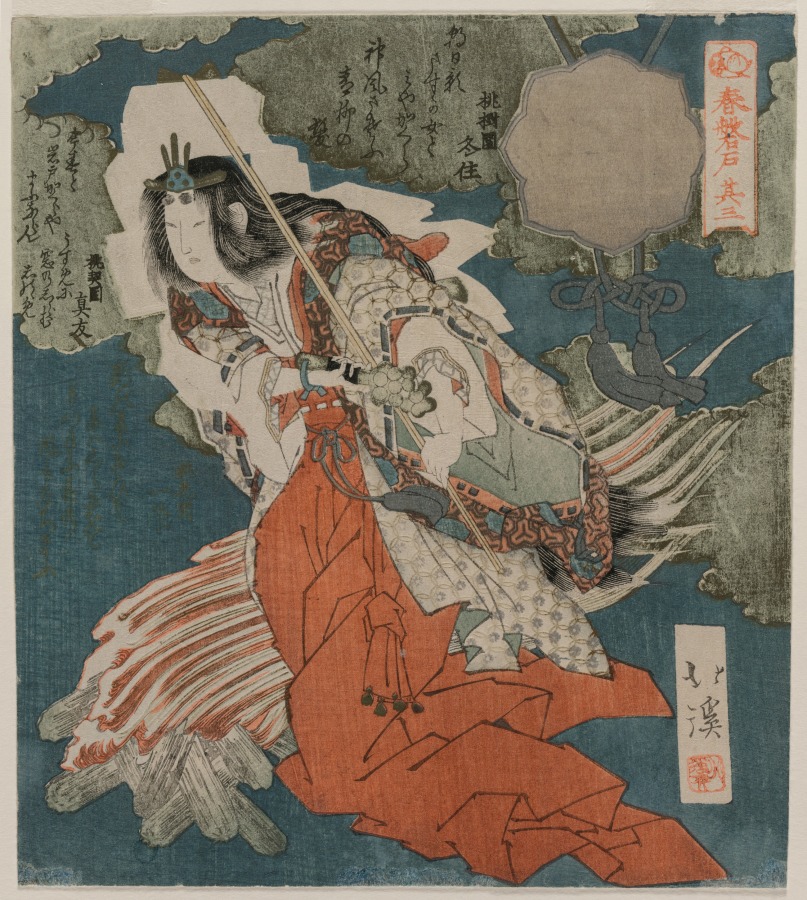
Exhibition of the Month: Music in Art
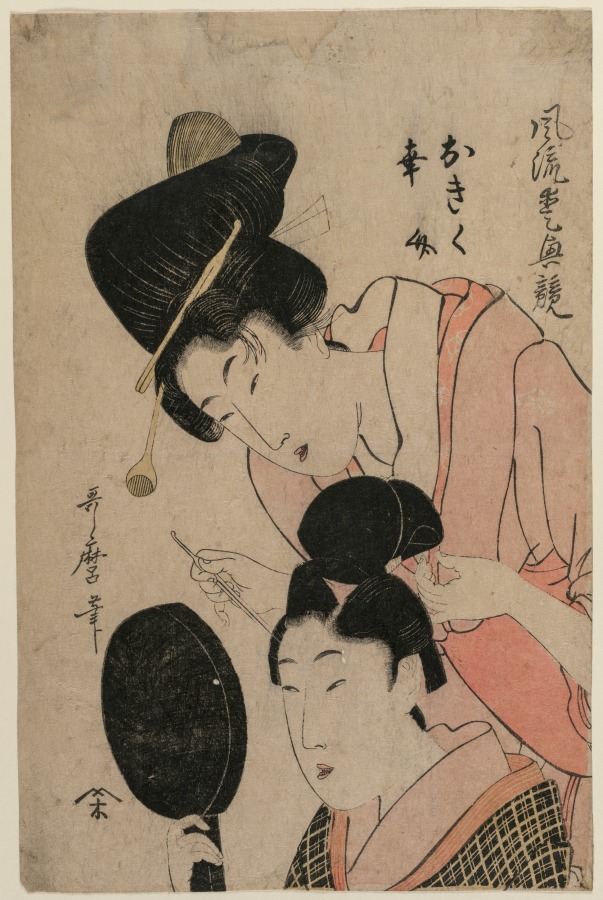
Mirrors: Art and Symbol
Exhibition of the Month: Historic Flower Containers
Painting the Modern Garden: Monet to Matisse
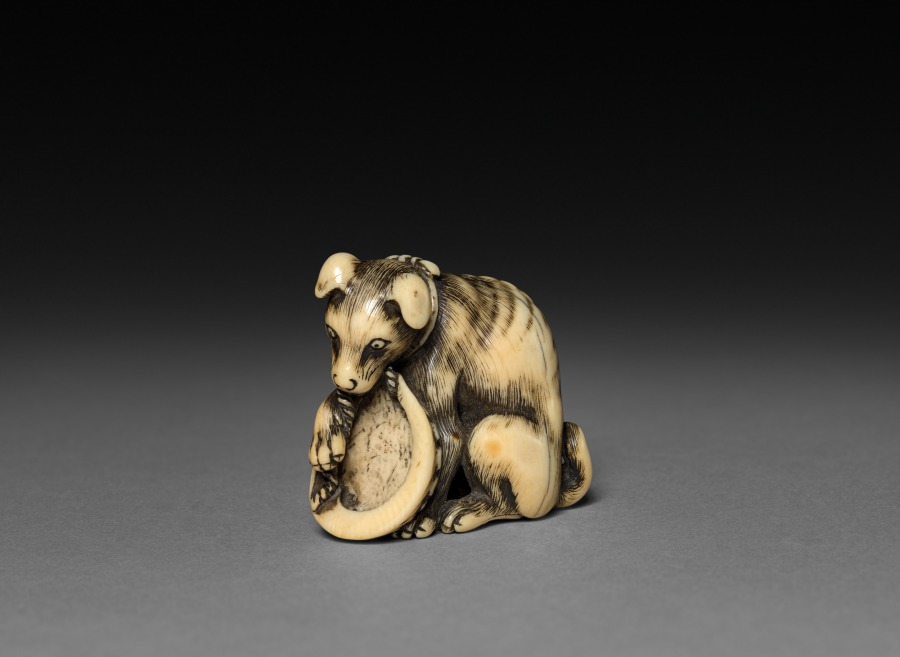
Juxtapositions
A Cleveland Bestiary
Millionaires' Row: The Legacy of Euclid Avenue
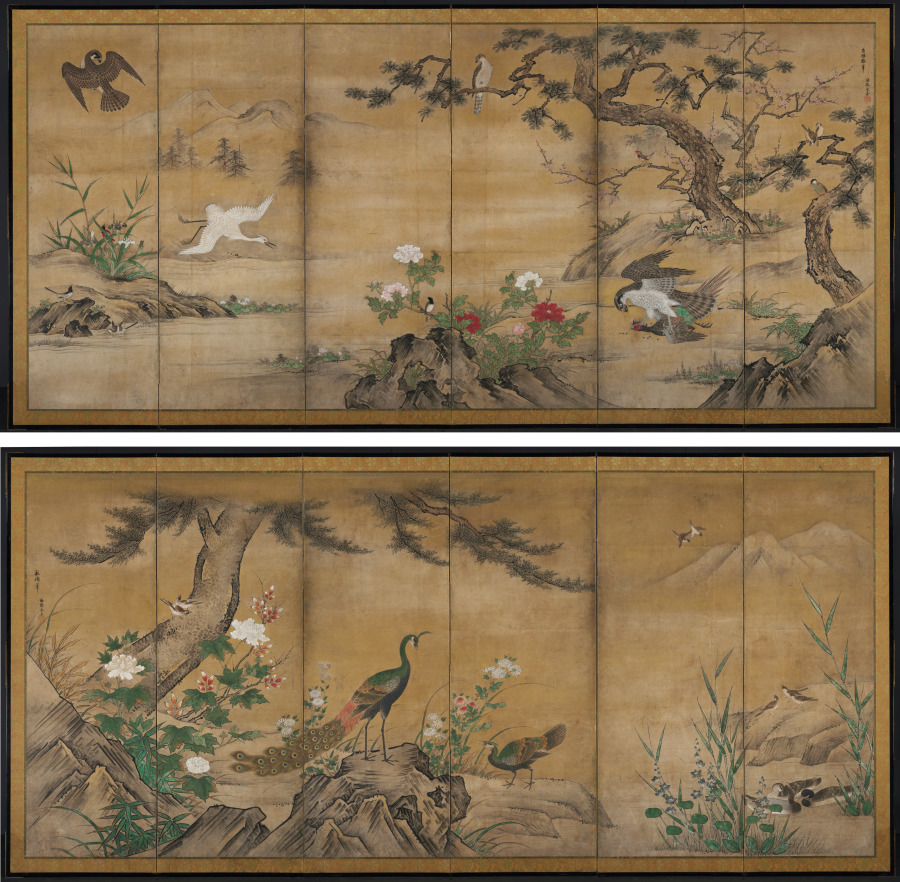
Asian Autumn: Masterpieces from the Collection
Autumn Grasses: Arts of the Momoyama Period (1573-1615)
The Legacy of Japanese Art
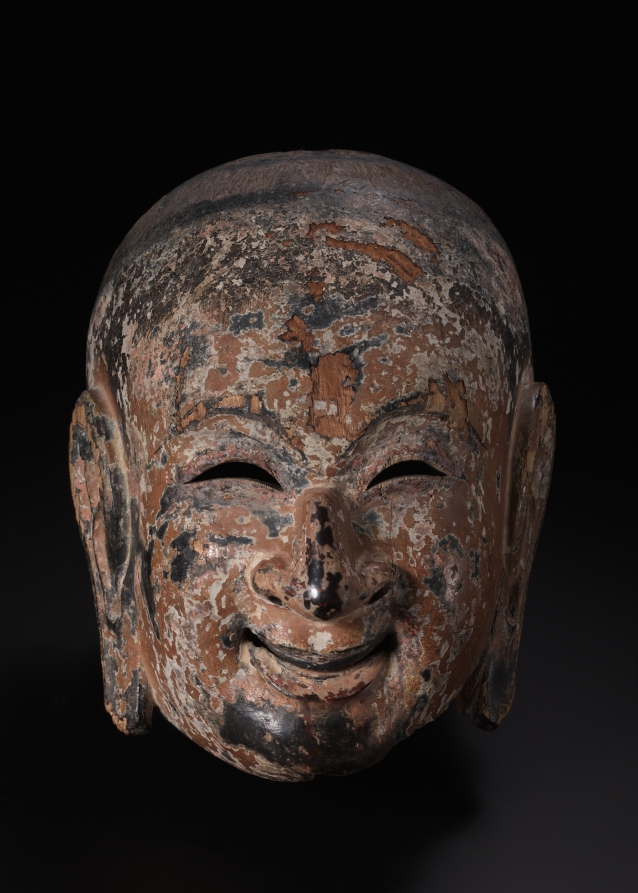
35th Anniversary Exhibition
The Mask
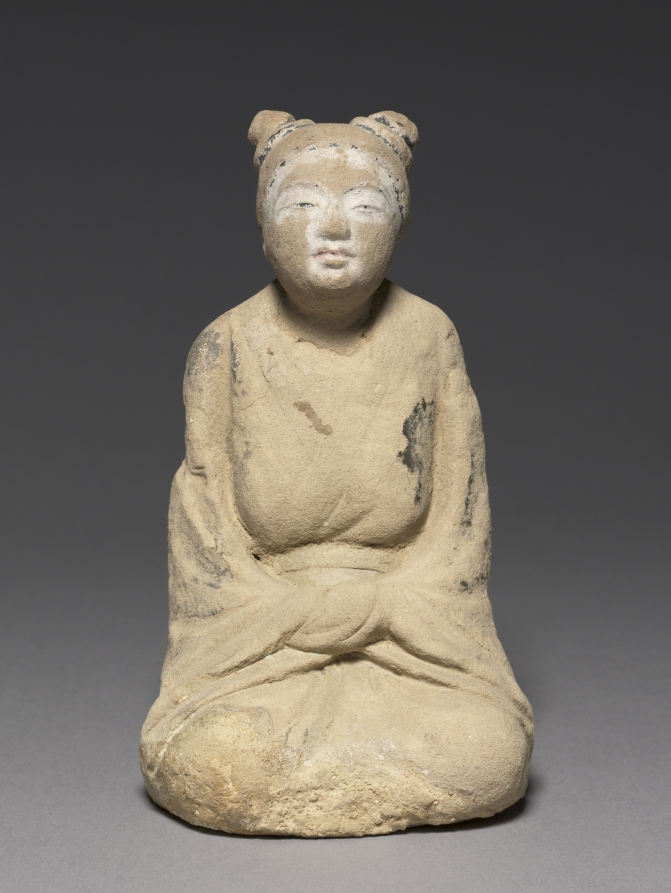
Exhibition of the Month: The Mother Symbol
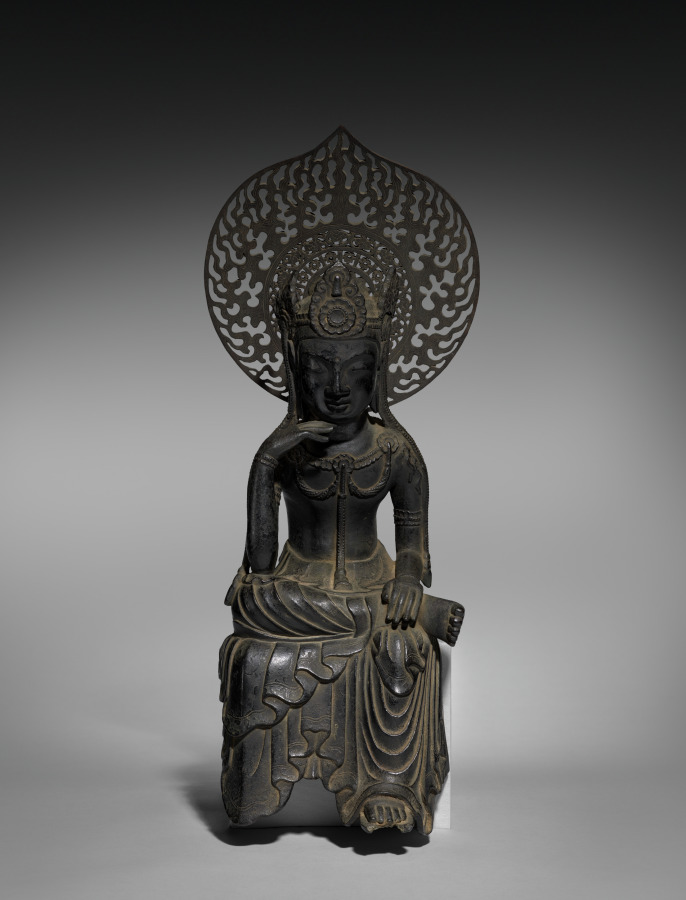
The Twain Shall Meet
The World of Miniature Painting
Mountains, Rocks, and Water: Landscape Painting in Asia
Sotatsu: Making Waves
Suibokuga: Japanese Ink Painting
Honoring Sherman Lee
Asian Autumn: Splendid Variety: 18th-Century Art in Japan
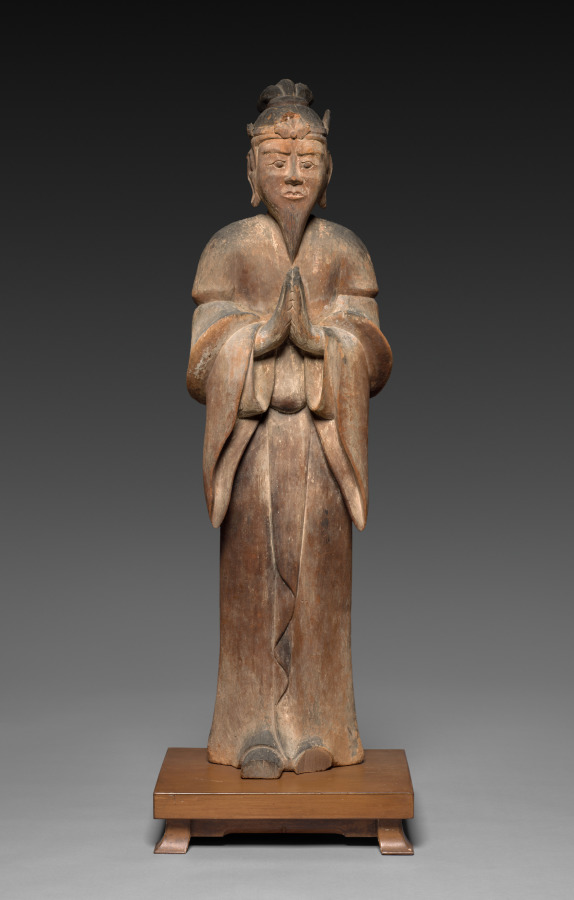
Japanese Gallery 235 Rotation - July 2017-January 2018
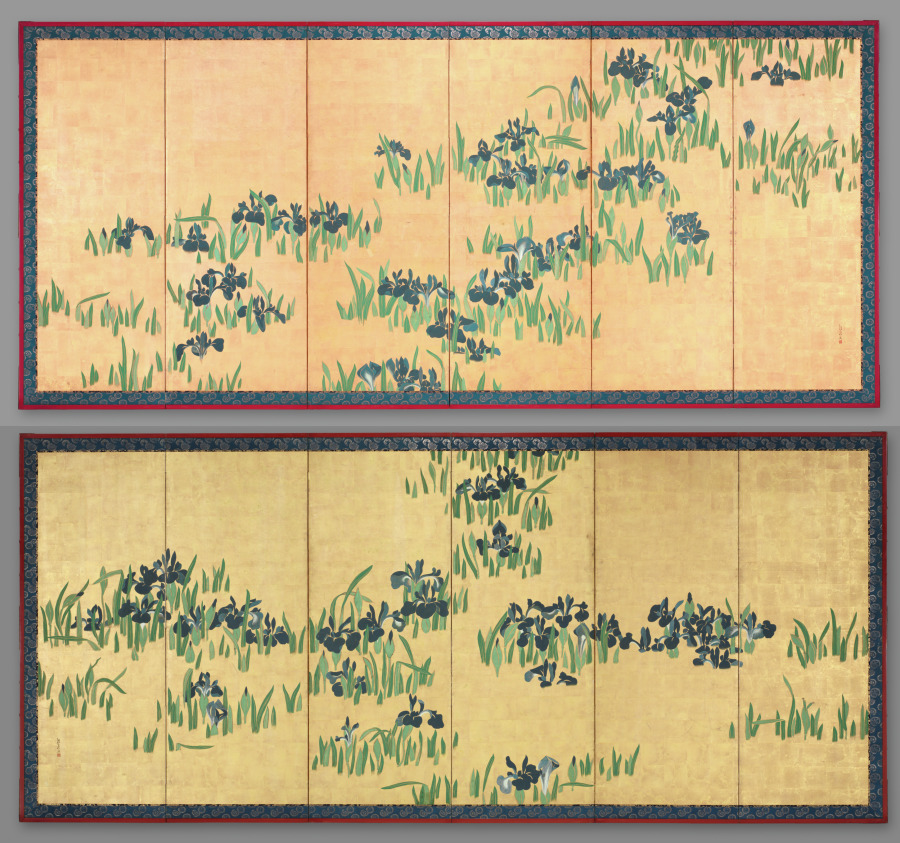
Object Lessons: Cleveland Creates an Art Museum
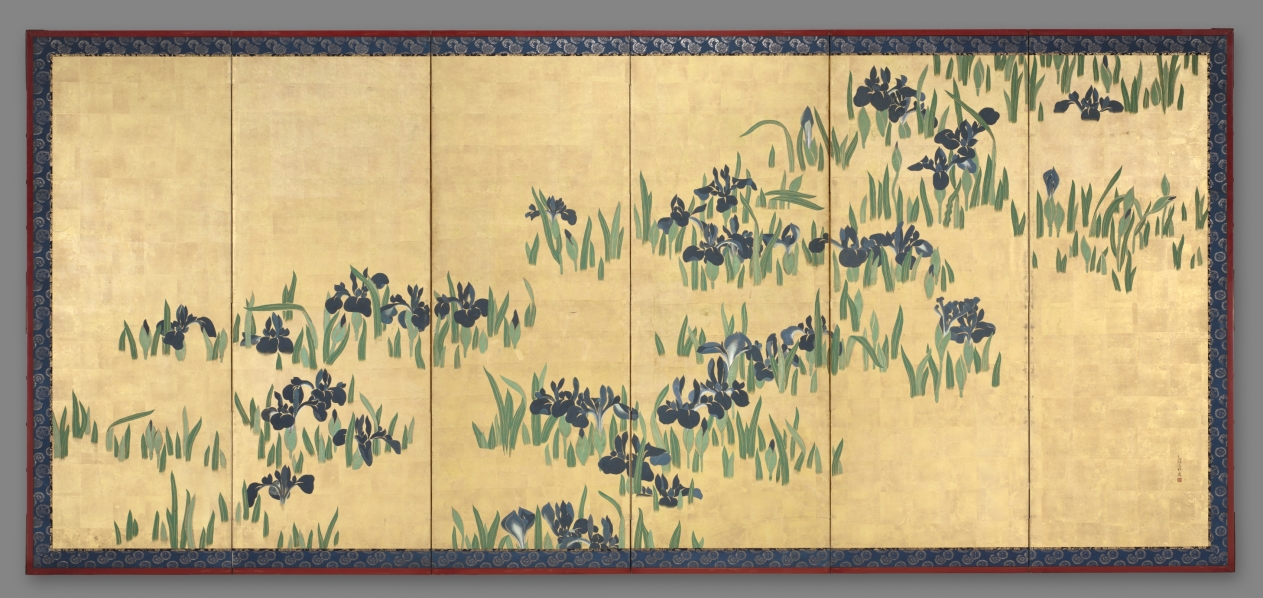
Rimpa
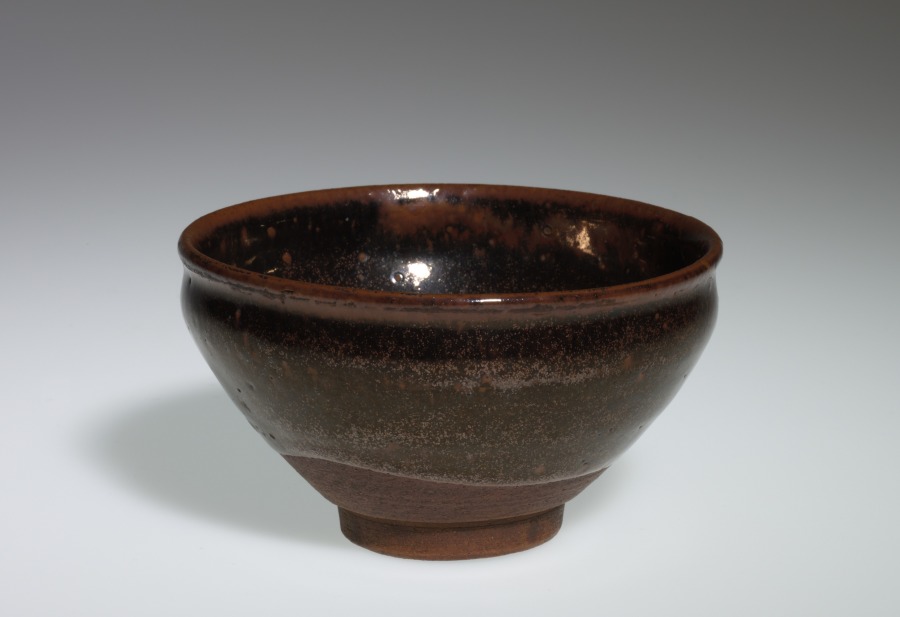
Asian Autumn: Early Ceramics from Japan and Korea
Focus: Tantra in Buddhist Art
In Memoriam: Leonard C. Hanna, Jr.
The Cooperative Program of the Conservation of Japanese Art Objects in the Collection of the Cleveland Museum of Art
Images of the Mind

Honen: The Life and Art of the Founder of the Pure Land Buddhist Sect
Rimpa Painting
ORIBE: Researching "Oribeism"
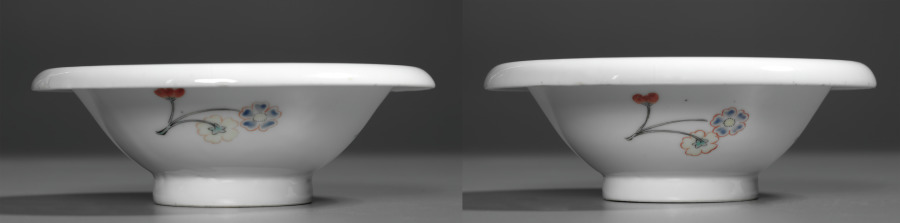
The Porcelain Connection
Year in Review - Nineteen Hundred Sixty
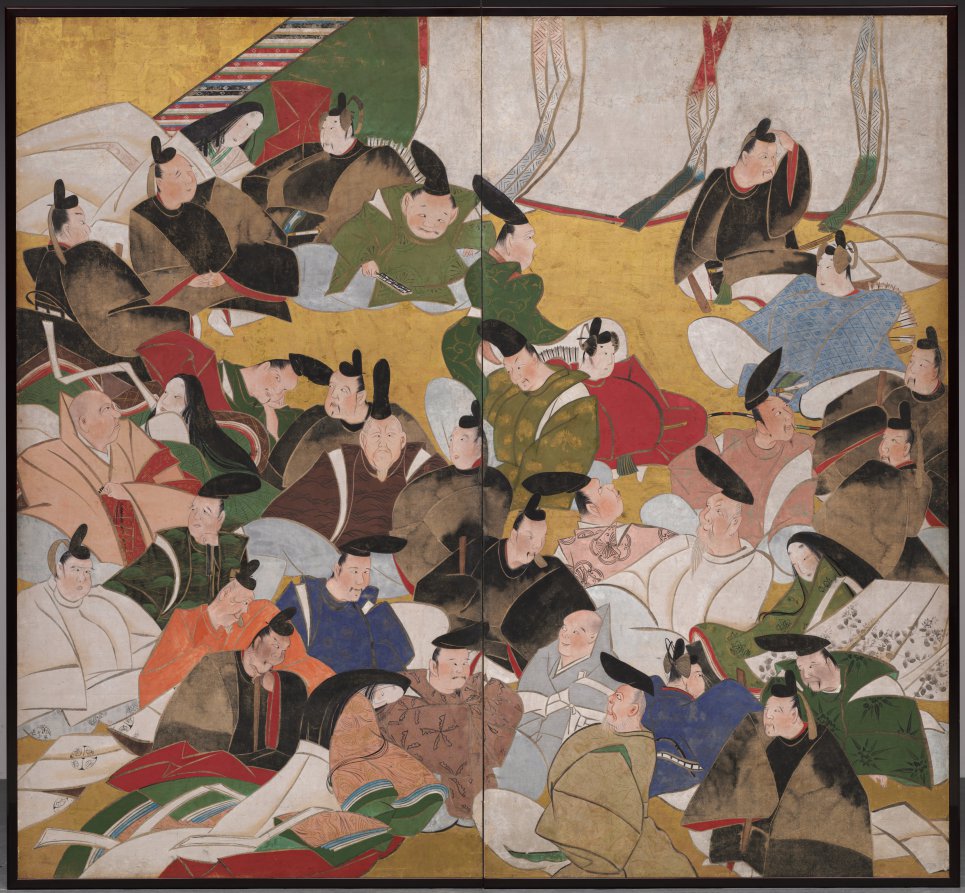
Silver Wind: The Art of Sakai Hoitsu (1761-1828) and His Circle
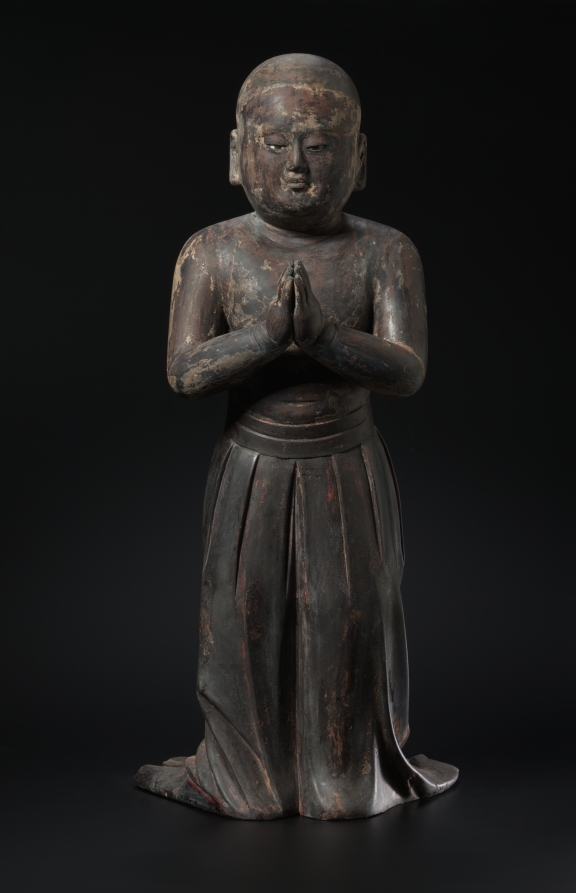
Intimate Rituals and Personal Devotions: Spiritual Art Through the Ages
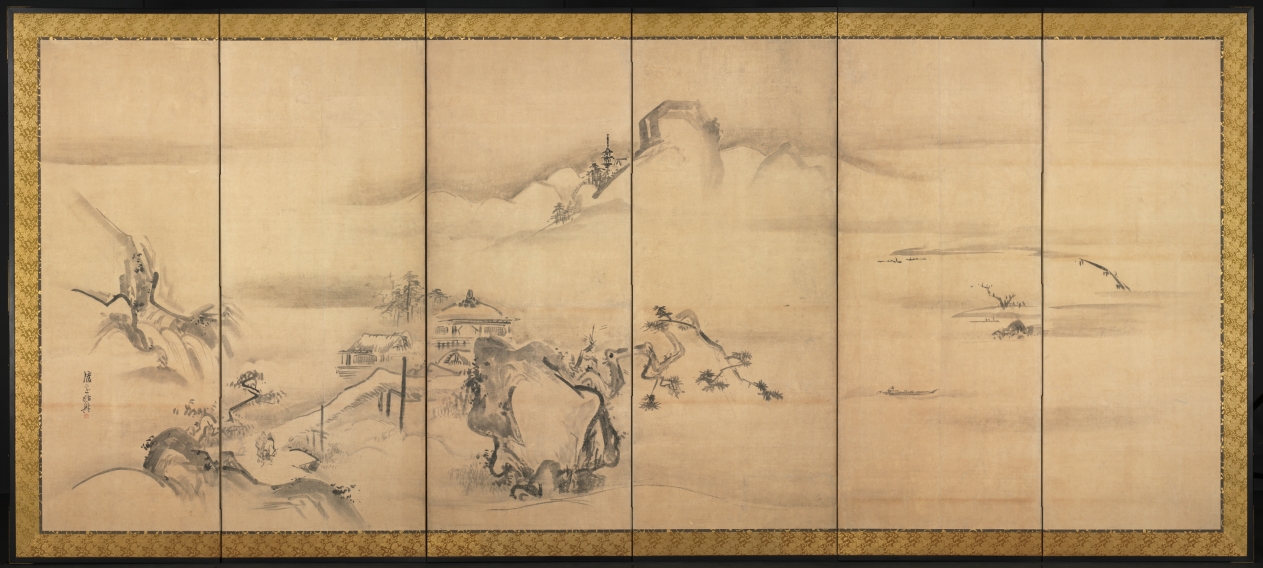
The Lure of Painted Poetry: Cross-cultural Text and Image in Korean and Japanese Art
Year in Review (1961)
Year in Review - 1962
Fans: East and West
Encompassing the Globe: Portugal and the World in the 16th and 17th Centuries
Year in Review (1963)
Year in Review (1964)
Signs of Affection: Gifts Honoring the Museum's 75th Anniversary
Sesshu, Master of Ink and Brush: 500th Anniversary Exhibition
The Severance and Greta Millikin Collection
The World of Ceramics: Masterpieces from the Cleveland Museum of Art
Golden Anniversary of Acquisitions
Year in Review: 1965

The Arts of Hon'ami Koetsu: Japanese Renaissance Master
Asian Journeys: Collecting Art in Post-war America
Turning Point: Oribe and the Arts of Sixteenth-Century Japan
Year in Review: 1967
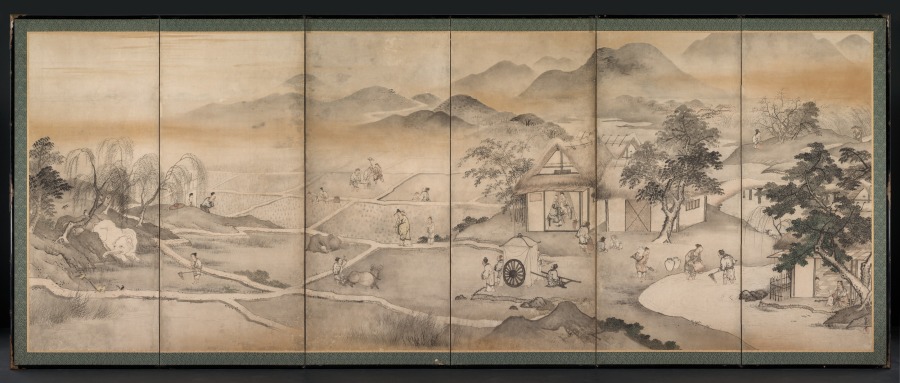
Year in Review: 1968
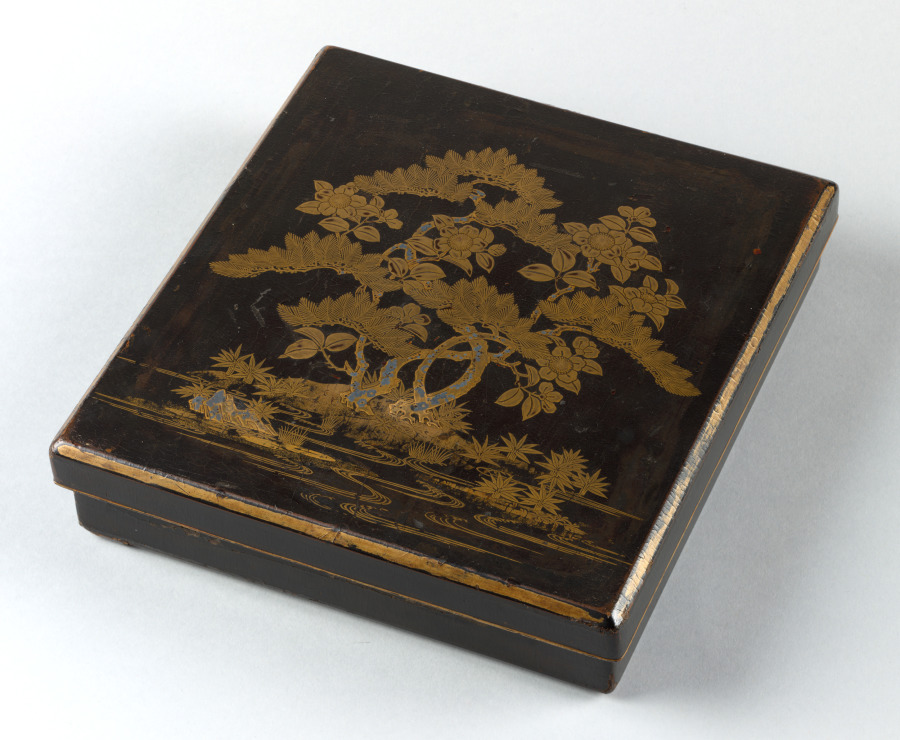
Year in Review: 1969
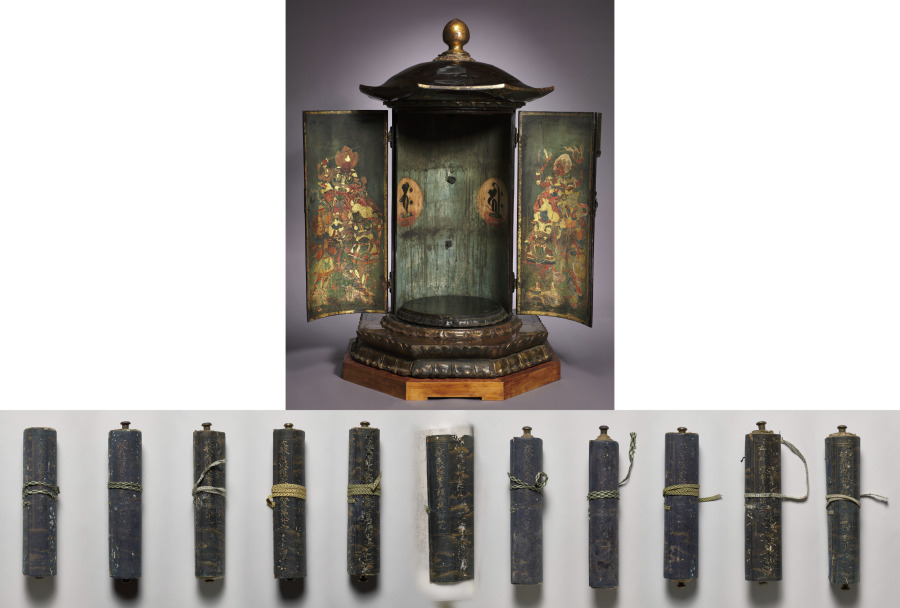
The Past Century of Nara National Museum - From Preaching Scene of Shakyamuni to Picture Scroll of Kusamakura
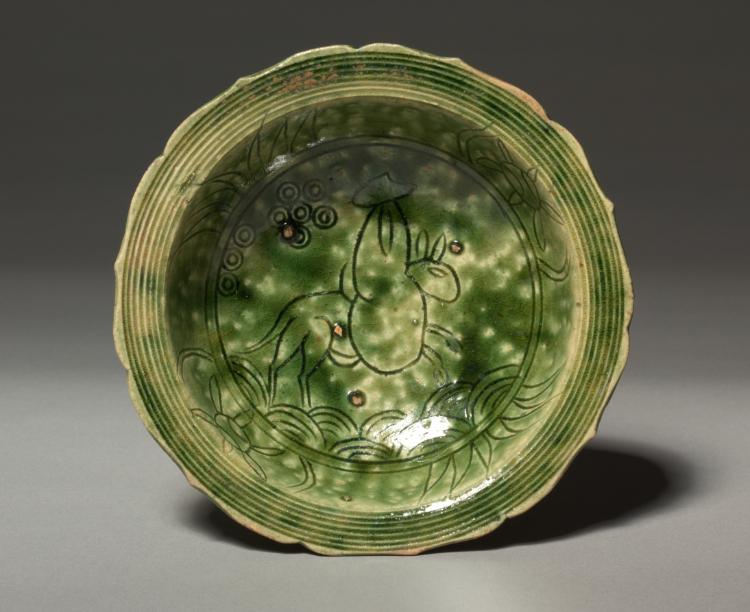
Year in Review: 1970
Imagining the Garden
Scholar's Studio
Year in Review: 1971
Year in Review: 1972
Conserving the Past for the Future
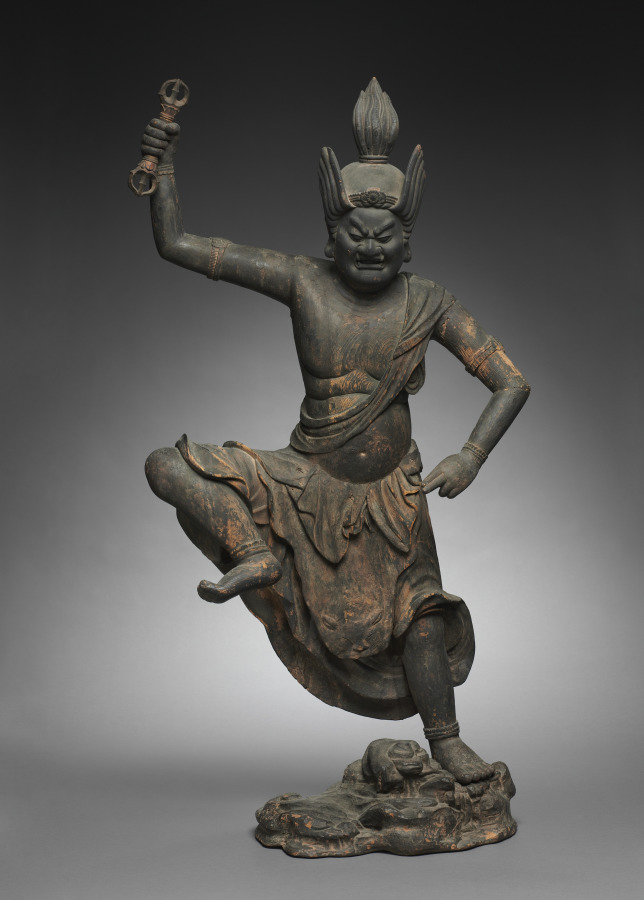
The World of Enno-Gyoja and Shugendoh: Secret Treasures of Mountain Asceticism
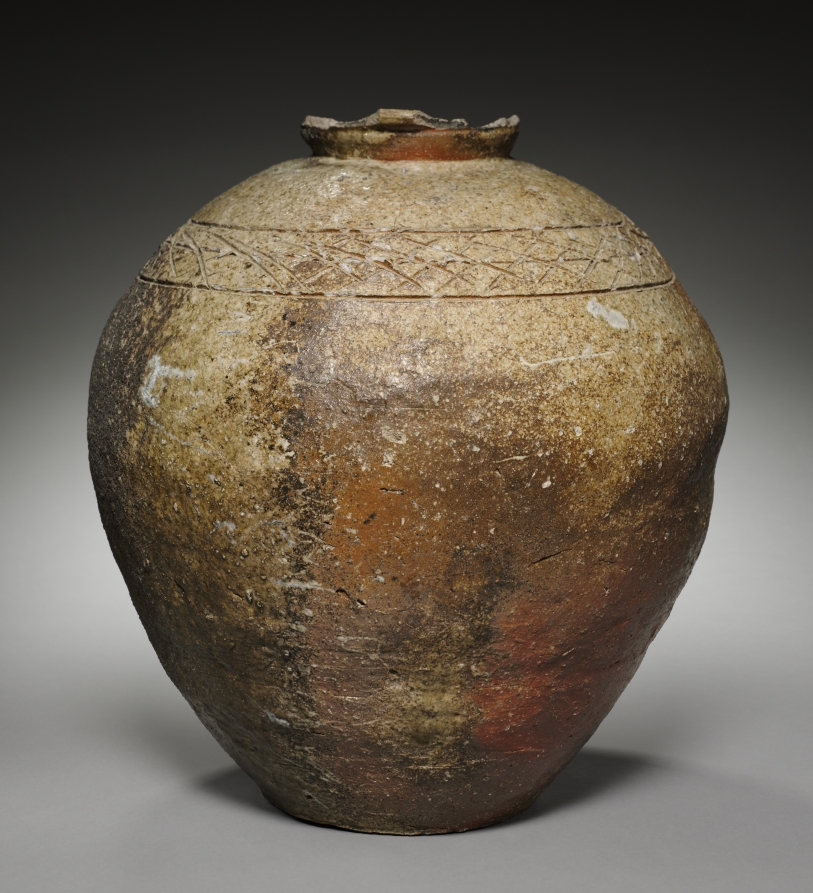
Koshigaraki - The Shigaraki Jar in the Middle Ages
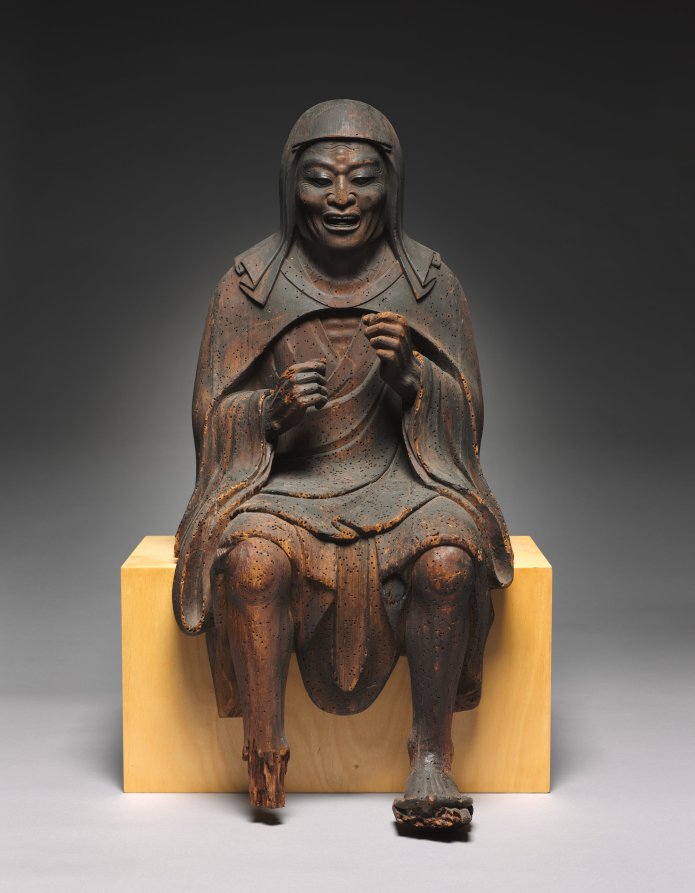
Saints and Hermits - Peoples in Serenity Deep in the Nature
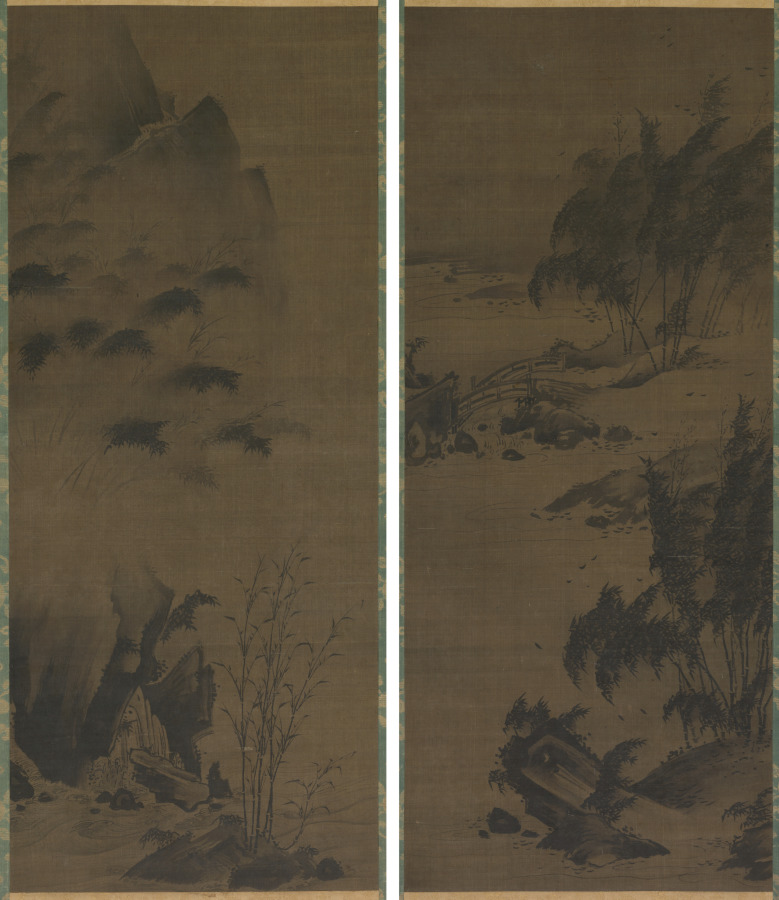
Animals as Romantic Icons in French Art
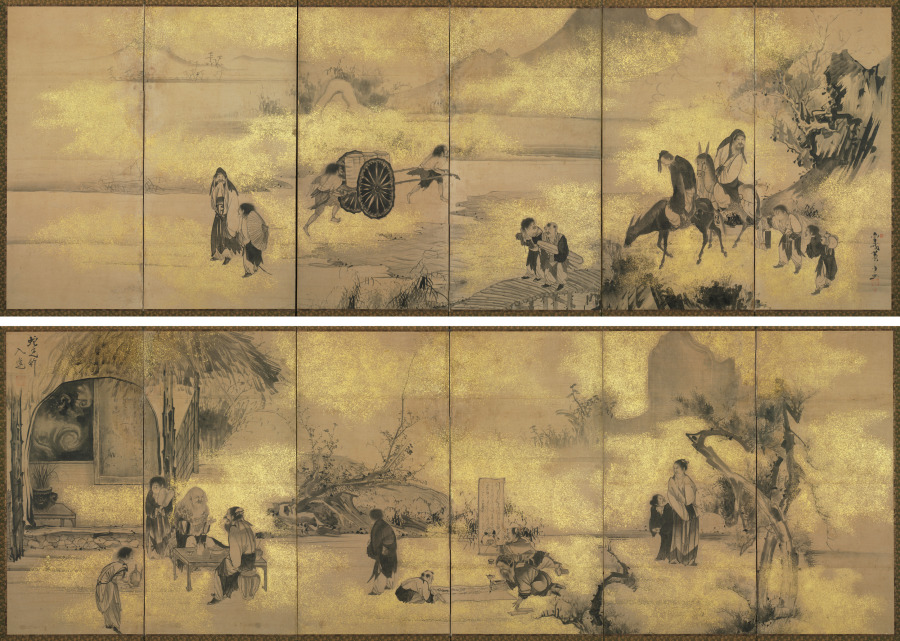
Year in Review, 1976
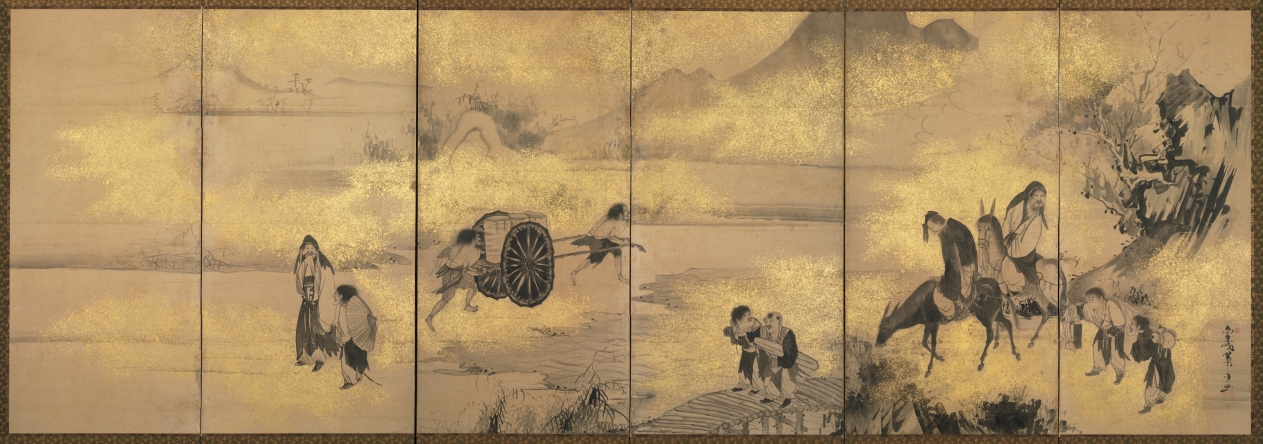
Soga Shohaku (1730-81)
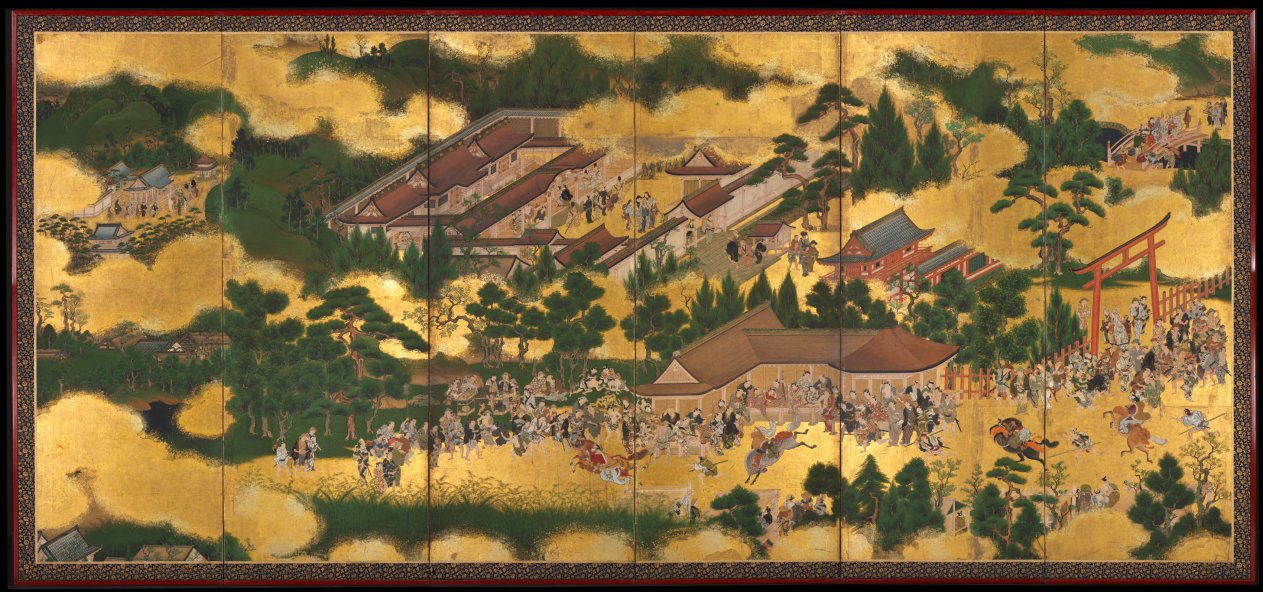
Biombo: Japan's Gift of Folding Screens to the West
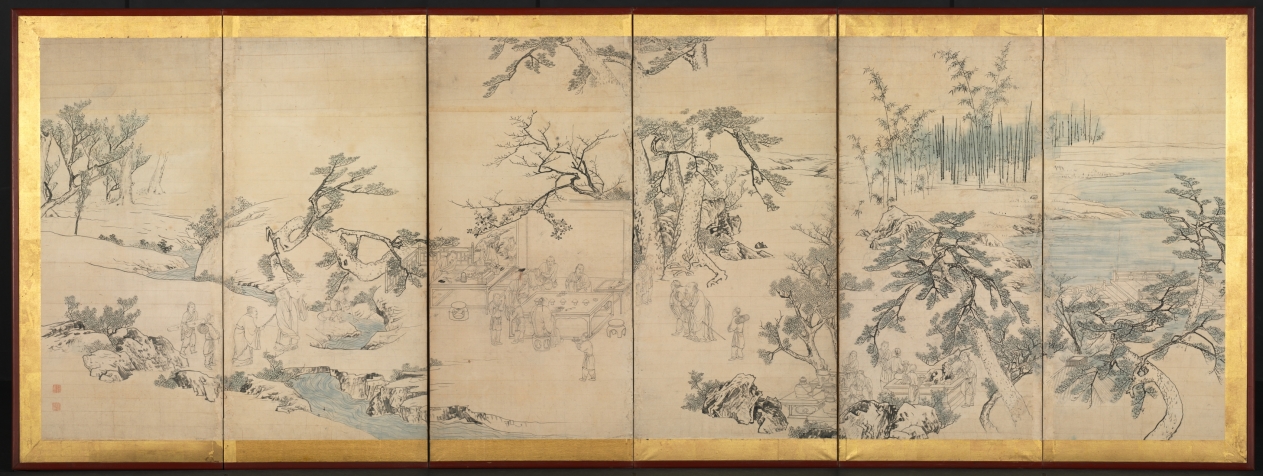
Year in Review: 1977
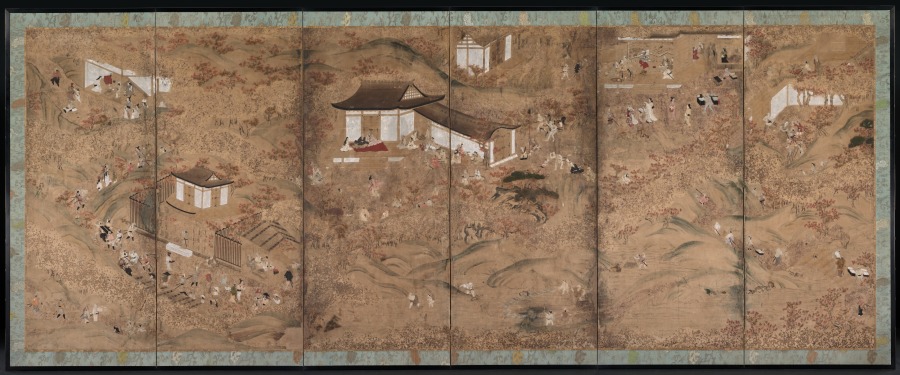
Year in Review: 1978
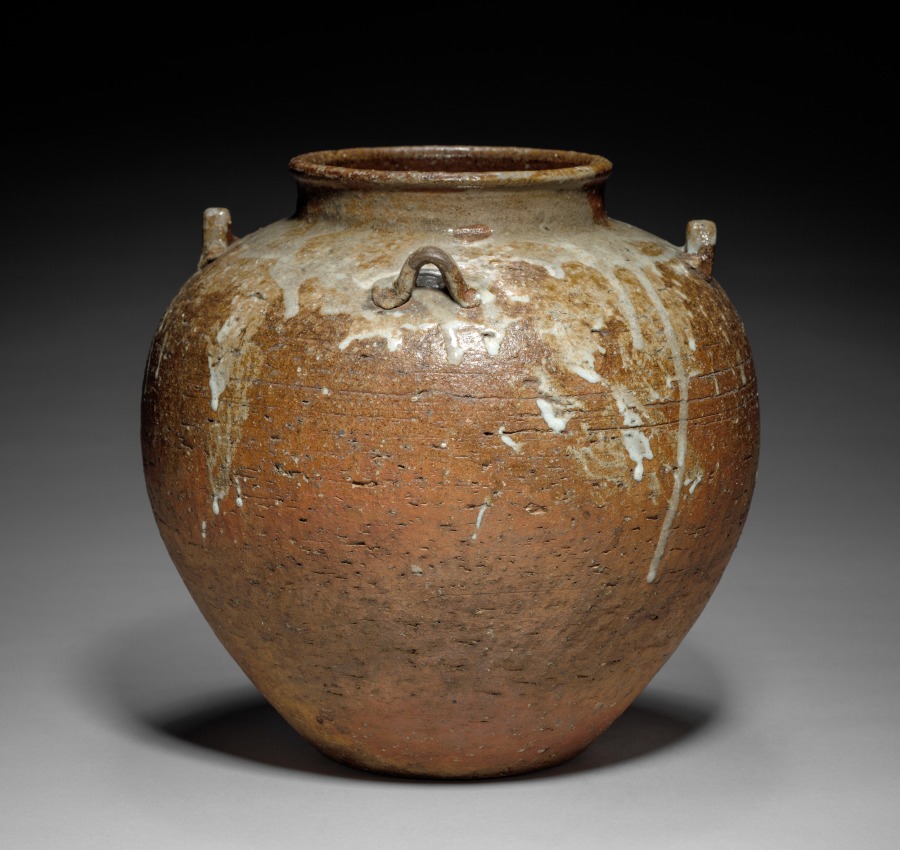
Reeds and Geese: Japanese Art from the Collection of George Gund III
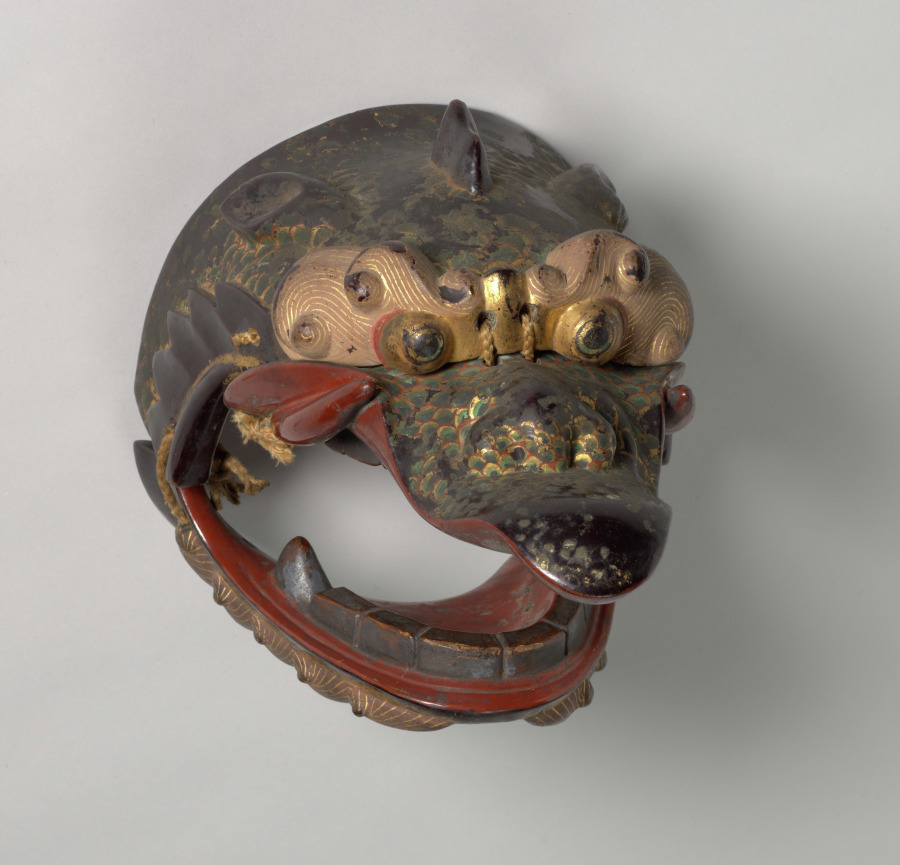
Powerful Form and Potent Symbol: The Dragon in Asia
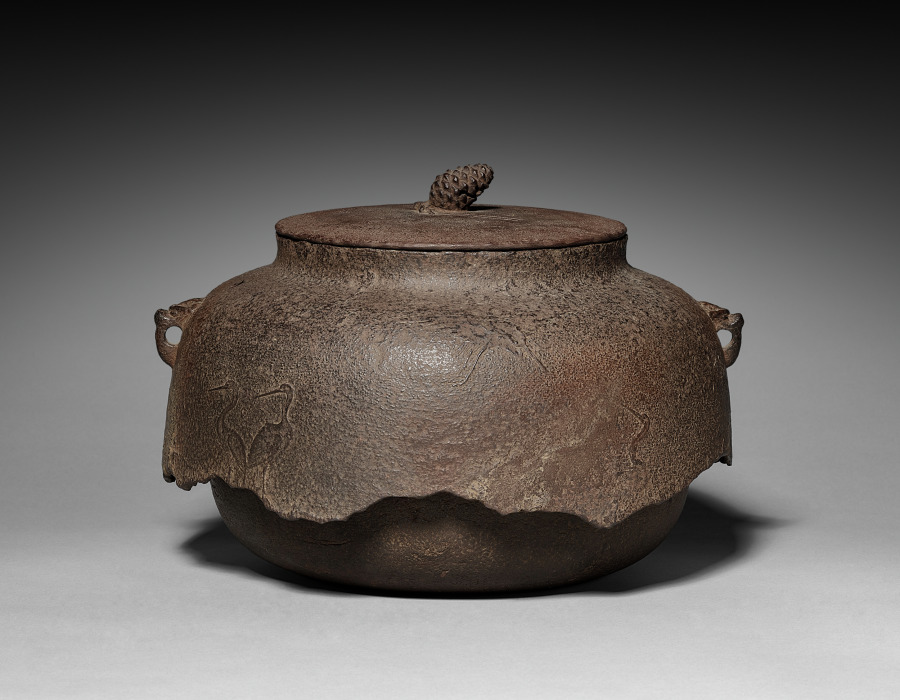
Year in Review: 1980
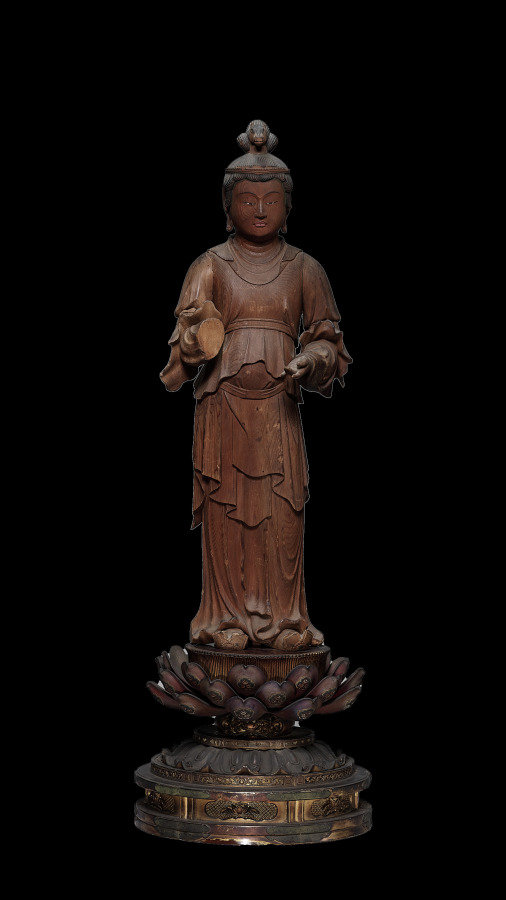
The Year in Review for 1981
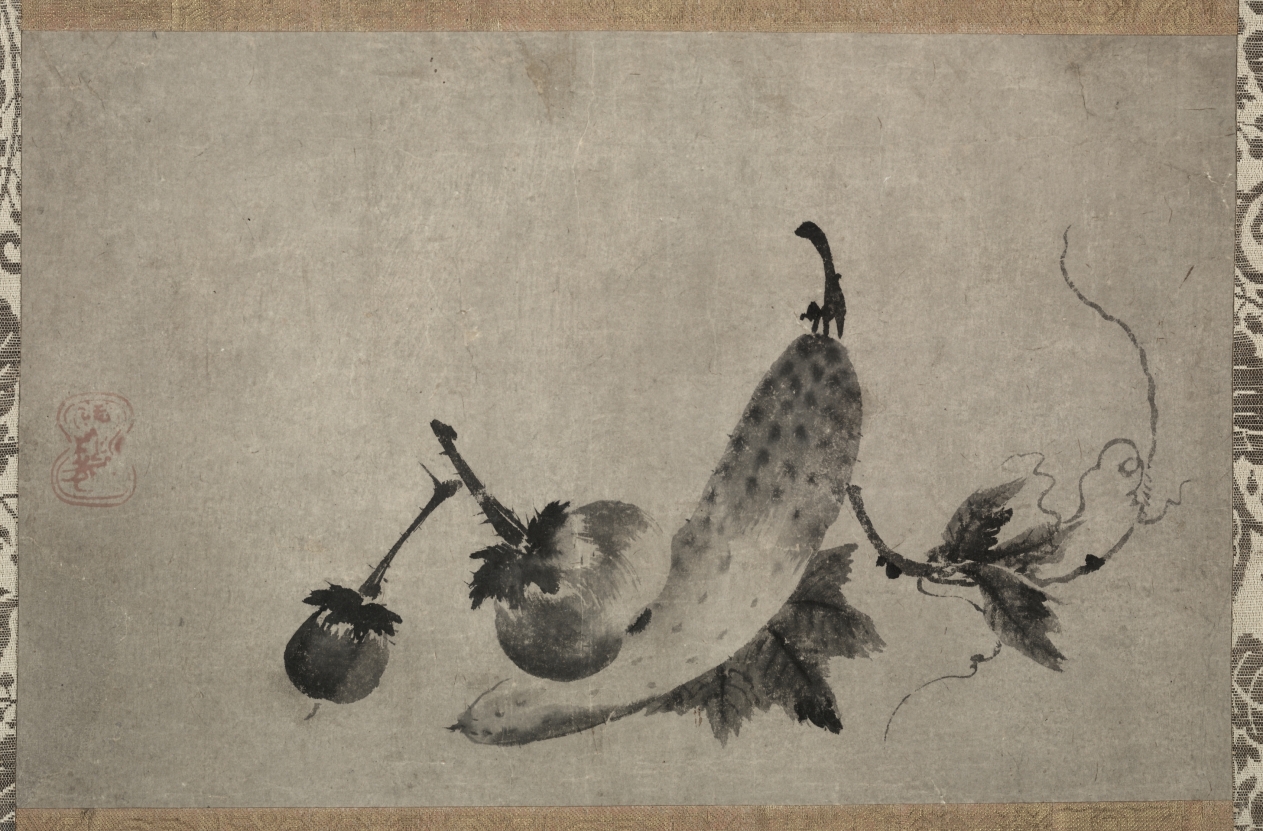
The Year in Review for 1982
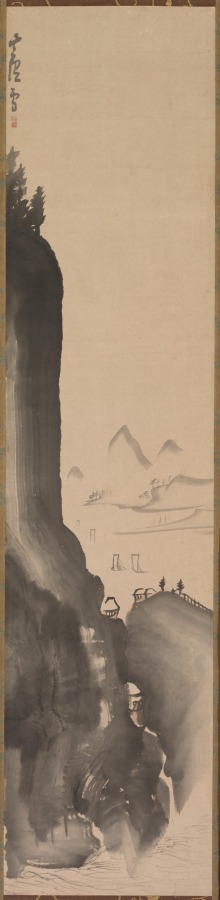
The Year in Review for 1983
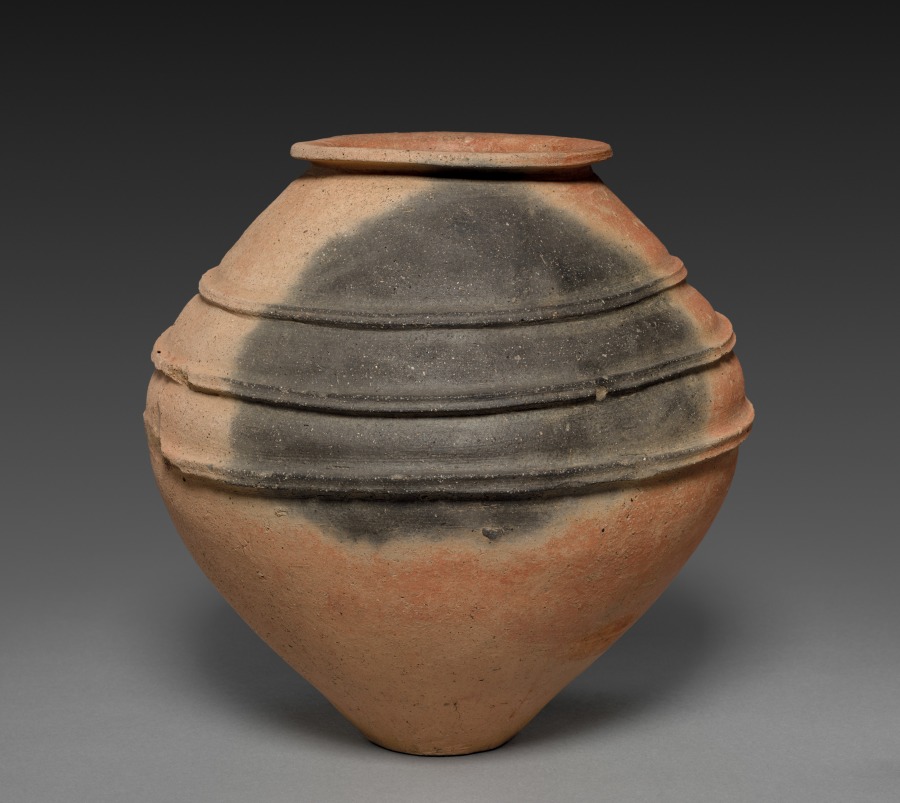
Year in Review for 1984
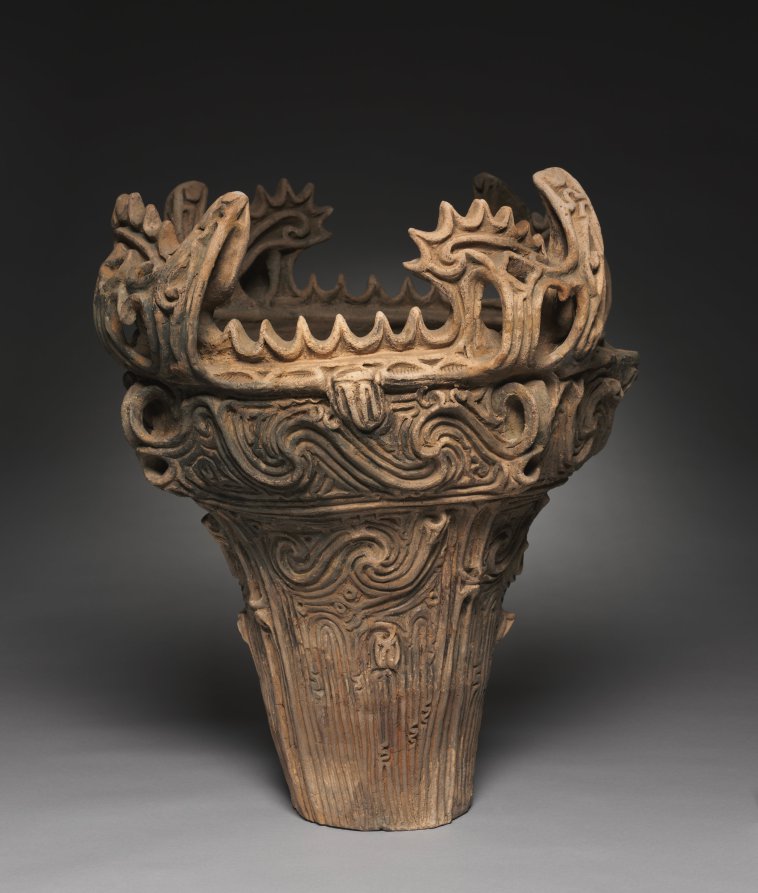
Object in Focus: Jomon Pots: The World's Oldest Ceramic Tradition
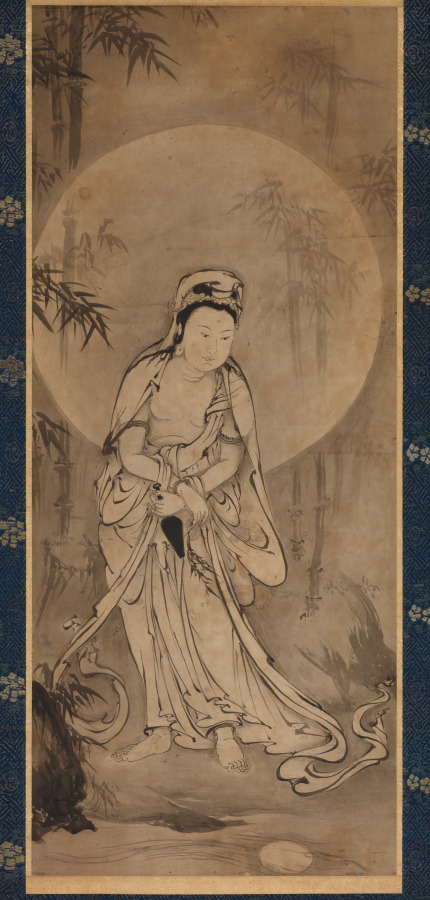
The Year in Review for 1985
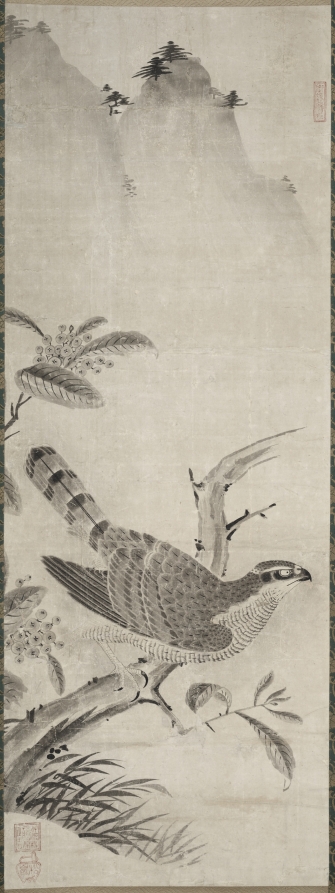
A Private World: Japanese and Chinese Art from the Kelvin Smith Collection
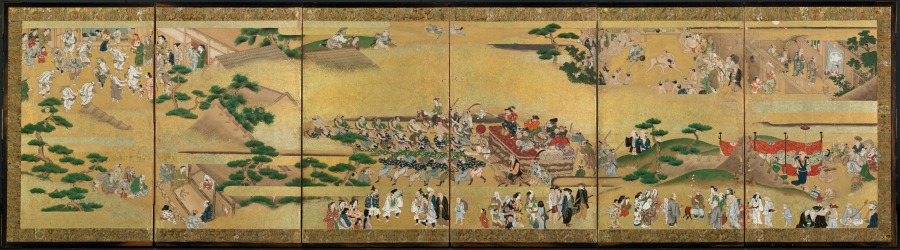
Art in Miniature: Japanese Netsuke from The Toledo Museum of Art
Mary Cassatt and Berthe Morisot
Japanese Gallery 235 Rotation - March-July 2018
Year in Review for 1986
The Year in Review for 1987
The Year in Review for 1988
Notable Acquisitions
Object as Insight: Japanese Buddhist Art and Ritual
The Potter's Eye: Art and Tradition in North Carolina Pottery
Selected Acquisitions
Asian Games: The Art of Contest
The Persistence of Geometry: Form, Content and Culture in the Collection of the Cleveland Museum of Art
Ink Paintings and Ash-Glazed Ceramics: Medieval Calligraphy, Painting, and Ceramic Art from Japan and Korea
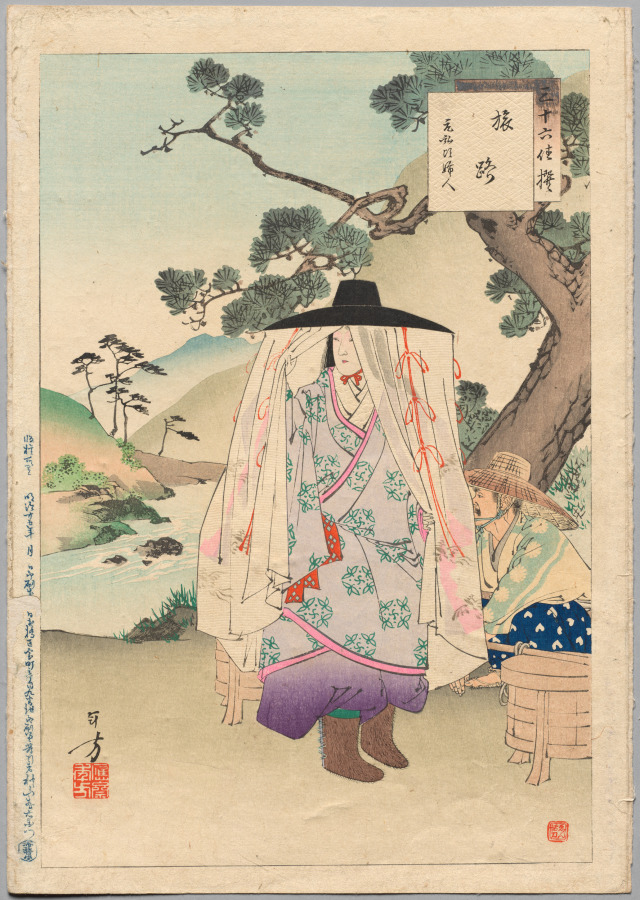
Japanese Gallery 235 Rotation - October 2017-January 2018

Exhibition of the Month: Art is Long
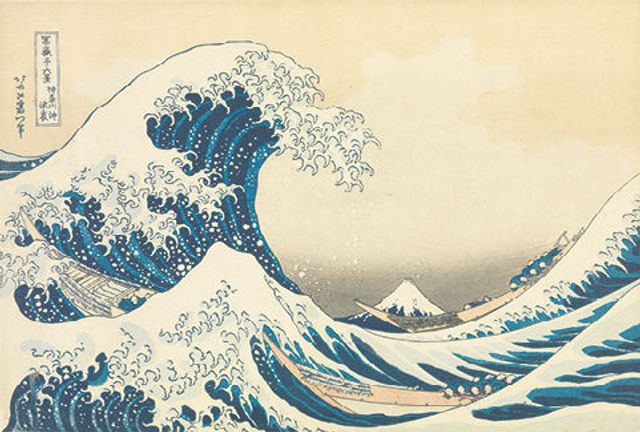
Discovering Japanese Art: American Collectors and the Met
The 2015 centennial of the Department of Asian Art offers an ideal opportunity to explore the history of the Museum's collection of Japanese art. Showcasing more than two hundred masterworks of every medium, this exhibition tells the story of how the Museum built its comprehensive collection of Japanese art beginning in the early 1880s, when it owned just a small, eclectic array of Japanese decorative arts.

The Tale of Genji: A Japanese Classic Illuminated
This is the first major loan exhibition in North America to focus on the artistic tradition inspired by Japan's most celebrated work of literature, The Tale of Genji...Highlights include two National Treasures and several works recognized as Important Cultural Properties. For the first time ever outside Japan, rare works are on view from Ishiyamadera Temple—where, according to legend, Shikibu started writing the tale.
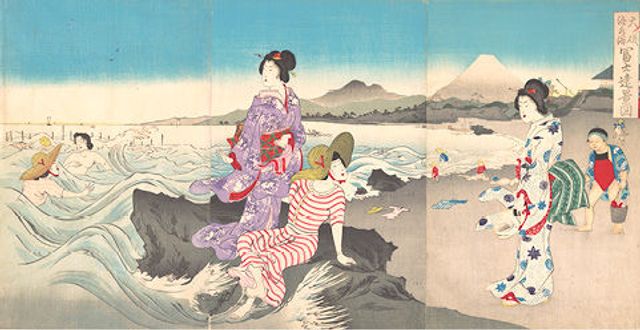
Kimono: A Modern History
The Arts of Japan Galleries have been transformed into a dazzling fashion show of kimono from the late eighteenth century to the present day. Translated literally as "thing to wear," the kimono has gone through major transformations throughout history: in the Edo period (1615–1868) it was an everyday garment, and now it is worn mainly on special occasions and collected as "traditional Japanese art." ... Highlights also include three examples of contemporary kimono created by designers designated by the Japanese government as Living National Treasures.
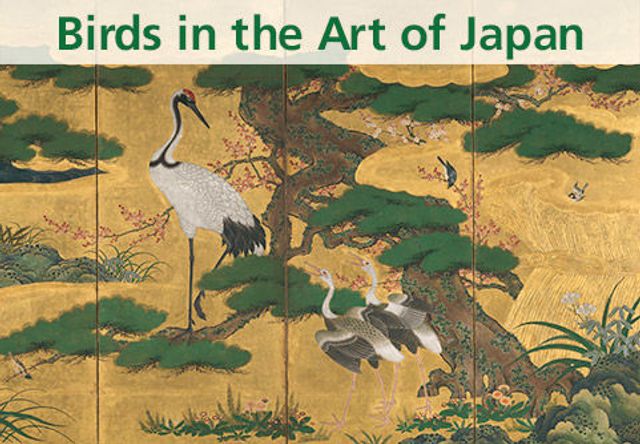
Birds in the Art of Japan
This exhibition presents approximately 150 works in various media from medieval times to the present. Highlights include a unique, early seventeenth-century pair of ink-painted screens showing a flock of 120 mynah birds in flight or strutting on the shore; and a set of four enormous paintings of birds of prey by the nineteenth-century master Kawanabe Kyōsai, each over nine feet high. Displays of paintings will be juxtaposed with examples of modern and contemporary textiles, ceramics, lacquerware, and bamboo art. Drawn mostly from the Museum's own collection, it will also feature some fifteen works on loan from private collections.
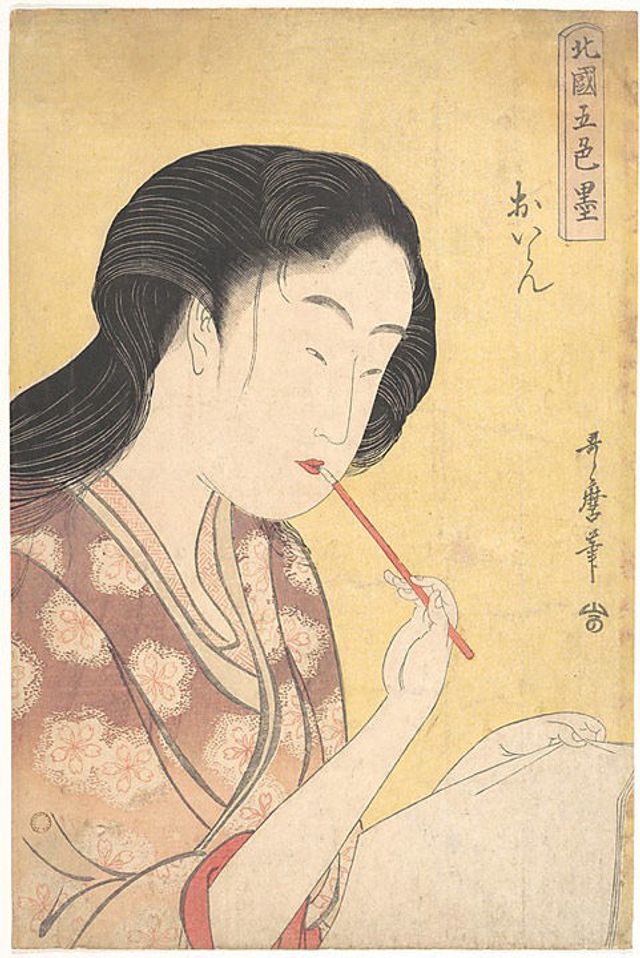
Brush Writing in the Arts of Japan
In the East Asian tradition, handwriting was thought to reflect one's personality, but not in the sense of Western graphology, or handwriting analysis. Rather, through the copying of revered models and through creative innovation, a distinctive handwriting style conveyed one's literary education, cultural refinement, and carefully nurtured aesthetic sensibilities.
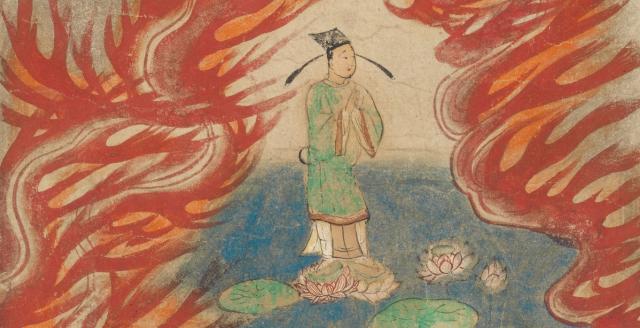
Anxiety and Hope in Japanese Art
Drawn largely from The Met’s renowned collection of Japanese art, this exhibition explores the twin themes of anxiety and hope, with a focus on the human stories in and around art and art making. The exhibition begins with sacred images from early Japan that speak to concerns about death, dying, and the afterlife or that were created in response to other uncertainties, such as war and natural disaster. The presentation then proceeds chronologically, highlighting medieval Buddhist images of paradises and hells, Zen responses to life and death, depictions of war and pilgrimage, and the role of protective and hopeful images in everyday life. In the final galleries, the exhibition’s underlying themes are explored through a selection of modern woodblock prints, garments, and photographs. (from Metropolitan Museum of Art)
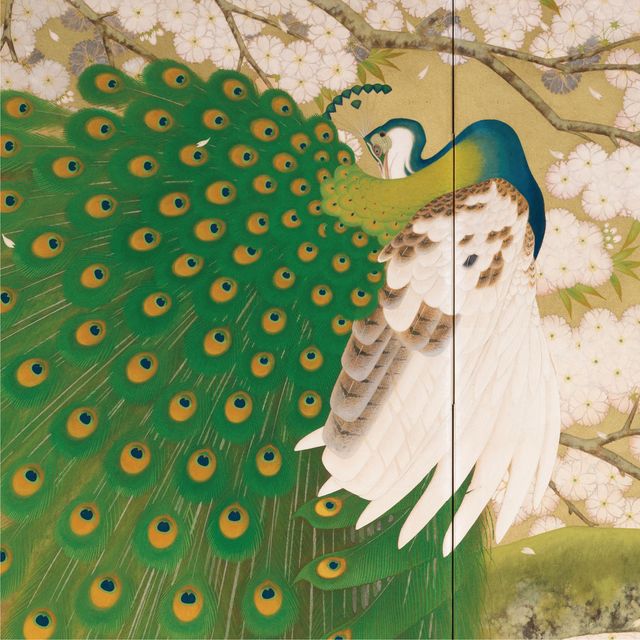
Japan: A History of Style
This exhibition celebrates how gifts and acquisitions of the last decade have transformed The Met’s ability to narrate the story of Japanese art by both expanding and deepening the range of remarkable artworks that can meaningfully elucidate the past. Each of the ten rooms that make up the Arts of Japan Galleries features a distinct genre, school, or style, representing an array of works in nearly every medium, from ancient times to the present. Highlights include the debut of a spectacular group of contemporary metalwork by Living National Treasures and emerging artists, and, in the first rotation, a selection of woodblock prints from the Lee E. Dirks Collection.
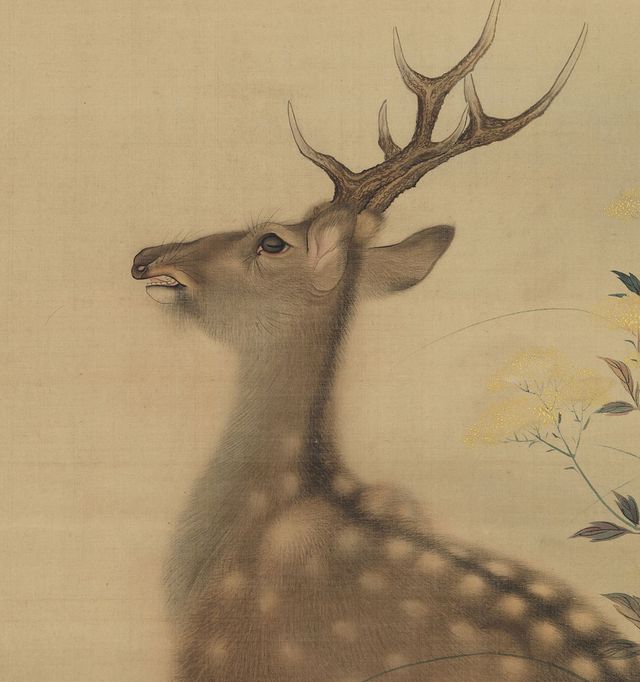
The Poetry of Nature: Edo Paintings from the Fishbein-Bender Collection
Painting blossomed in Japan during the Edo period (1615–1868) as artists daringly experimented with conventional styles. In this exhibition, more than forty examples of Edo-period paintings from the collection of Estelle P. Bender and her late husband T. Richard Fishbein—mostly gifts and promised gifts to The Met—help trace the development of the major schools and movements of this fascinating era. Contemporary Japanese ceramics are juxtaposed with Edo-period paintings, while works in various formats and media from The Met collection provide context. The celebration of the natural world serves as a unifying theme, and the intertwined relationship between poetry and the pictorial arts—so fundamental to Japanese tradition—is a particular focus of the exhibition.
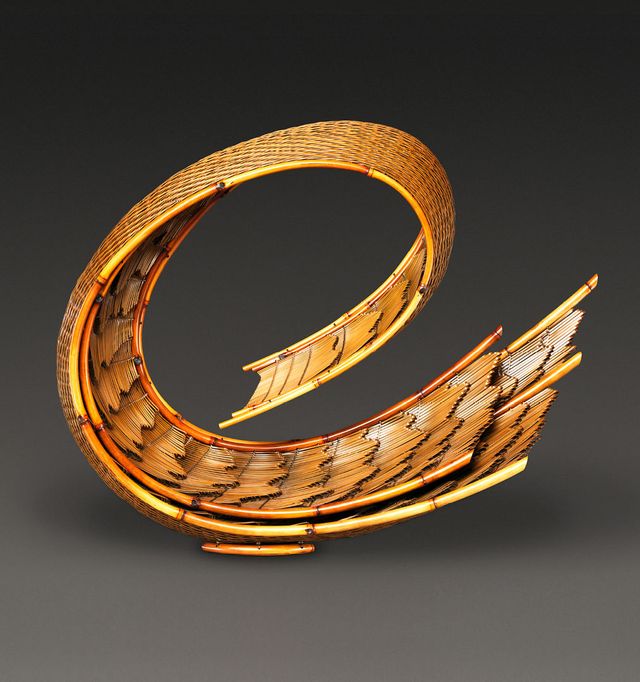
Japanese Bamboo Art: The Abbey Collection
Featuring works of Japanese bamboo art dating from the late 19th century to the present—the period when basketry in Japan became recognized as an art form that transcends "craft"—this loan exhibition showcases more than 80 bamboo baskets and sculptures created by accomplished artists, including all six masters who have received the designation "Living National Treasure." Highlighting key stages in the modern history of Japanese bamboo art, the exhibition is drawn from the Abbey Collection, one of the finest private collections of Japanese baskets and bamboo sculpture; most of the works have never before been presented in public.
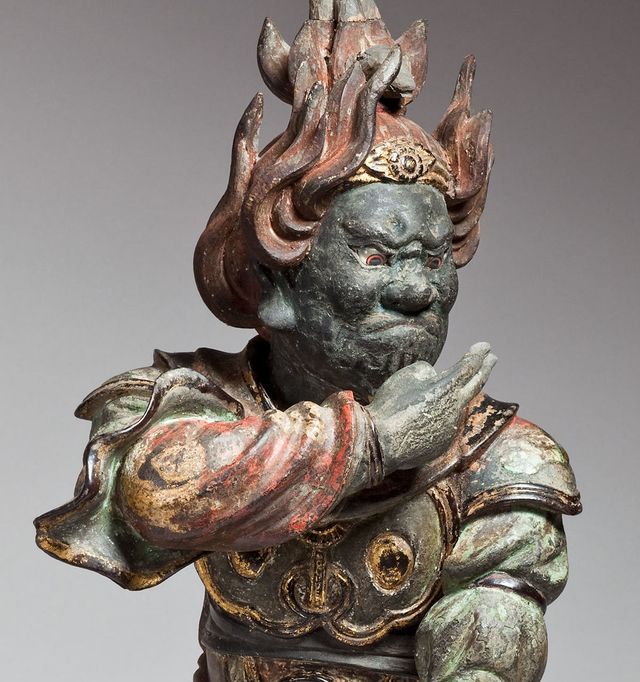
Celebrating the Arts of Japan: The Mary Griggs Burke Collection
This tribute to a great collector reveals the distinctive features of Japanese art as viewed through the lens of 50 years of collecting: the sublime spirituality of Buddhist and Shinto art; the boldness of Zen ink painting; the imaginary world conjured up by the Tale of Genji and classical Japanese literature; the sumptuous colors of bird-and-flower painting; the subtlety of poetry, calligraphy, and literati themes; the aestheticized accoutrements of the tea ceremony; and the charming portraiture of courtesans from the "floating world" (ukiyo-e).
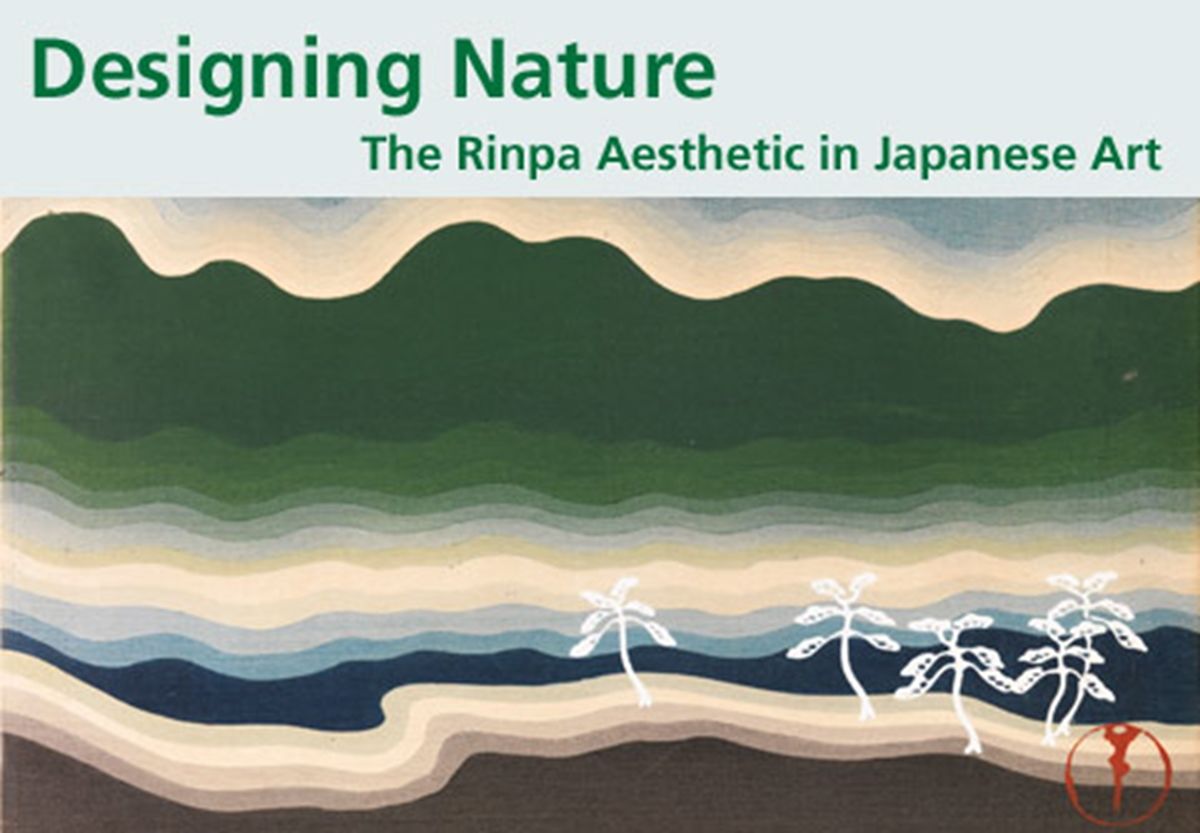
Designing Nature: The Rinpa Aesthetic in Japanese Art
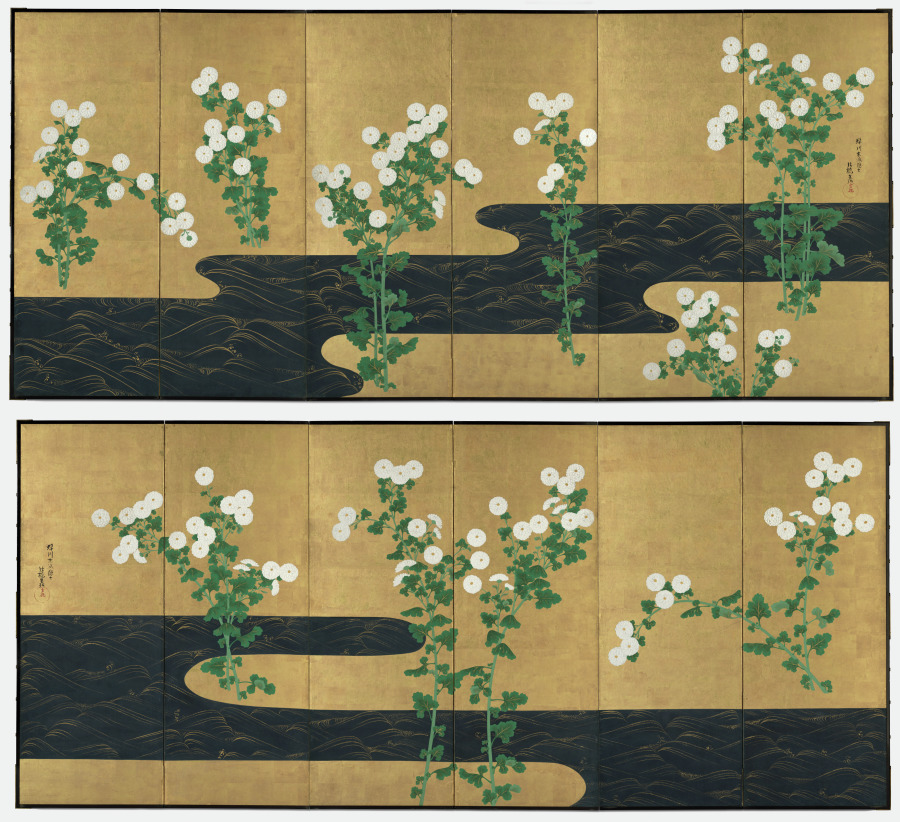
"Rinpa" is a modern term that refers to a distinctive style of Japanese pictorial and applied arts that arose in the early seventeenth century and has continued through modern times. Literally meaning "school of Korin," Rinpa derives its name from Ogata Korin (1658–1716), a celebrated painter from Kyoto. It embraces art marked by a bold, graphic abbreviation of natural motifs, frequent reference to traditional court literature and poetry, the lavish use of expensive mineral and metallic pigments, incorporation of calligraphy into painting compositions, and innovative experimentation with new brush techniques.
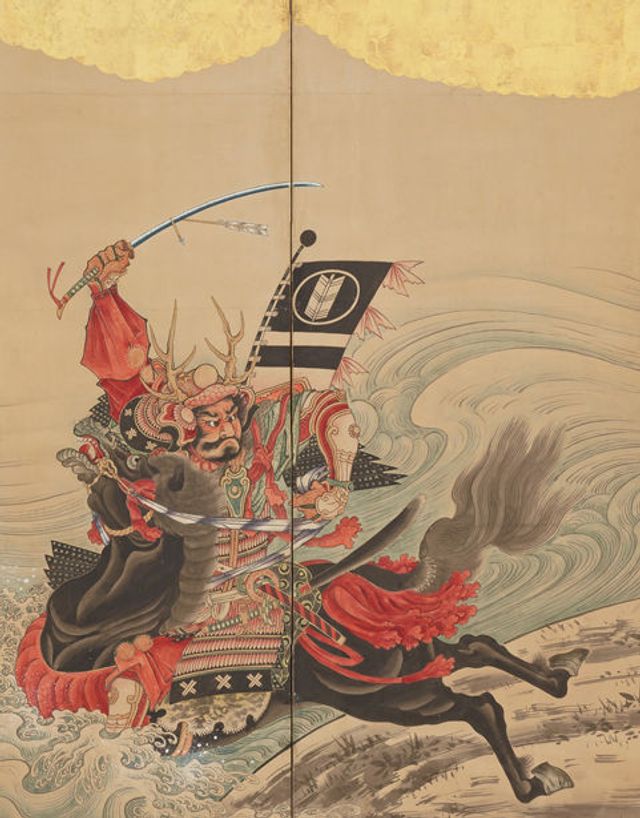
The Flowering of Edo Period Painting: Japanese Masterworks from the Feinberg Collection
Displaying exemplary works from painting schools that arose in Japan in the seventeenth and eighteenth centuries, the exhibition allows viewers to discover how Japanese painting evolved from the traditional modes of Chinese and Japanese (Yamato-e) styles that had prevailed through medieval times.... Rather than focus on the orthodox output of the Tosa and Kano ateliers, which dominated artistic production in the late medieval period, The Flowering of Edo Period Painting highlights the new, exuberant styles of the Rinpa, Nanga, Maruyama-Shijō, and Ukiyo-e schools, as well as independent painters of the Edo period.
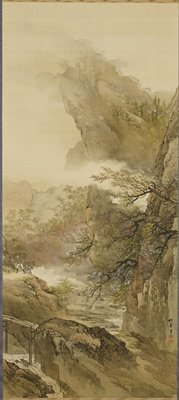
Masterpieces from the Japanese painting collection of the Minneapolis Institute of Art
This exhibition showcases masterpieces from this collection of Japanese art, with a focus on Edo-period paintings, including works by artists from the Kano school and Rinpa tradition, as well as ukiyo-e artists. Through this selection of masterly works by widely admired artists, including Sesson Shūkei, Kano Sansetsu, Itō Jakuchū, Soga Shōhaku, Katsushika Hokusai, and Tōshūsai Sharaku, the exhibition traces the evolution of Japanese painting while also giving a sense of the intentions of the American collectors fascinated by Japanese art who acquired these works and later bequeathed or donated them to the museum.