Hiroshima appeals 1984. Senso Sukinai. Taro I love for a way

- People
- Time
- Owner Organization
Love Peace Hiroshima appeals 1984
National Gallery of Victoria
Trove: National Library of Australia

A bell from France sounds for Easter in Hiroshima
National Audiovisual Institute
Europeana API

Young Man Riding a Giant Tortoise (parody of Urashima Taro)
Art Institute of Chicago
Art Institute of Chicago API
Three New Zealanders from Rest Camp view countryside on their way for a swim near Ancona, Italy, World War I...
Alexander Turnbull Library
DigitalNZ New Zealand API
![[A dress for middle-aged wives, very tasteful and gracefule i...]](https://api.europeana.eu/api/v2/thumbnail-by-url.json?uri=http%3A%2F%2Fwww.beeldbankwo2.nl%2Fcgi-bin%2Ffrsiserver.dll%2Fthumbnail%2F49462-thumb.jpg%3Ffrskey%3D49462&type=IMAGE)
[A dress for middle-aged wives, very tasteful and gracefule i...]
NIOD Institute for War, Holocaust and Genocide Studies
Europeana API

The Actor Nakamura Nakazo I as Osada no Taro (?) in the Play Ima o Sakari Suehiro Genji (?), Performed at the Nakamura Theater (?) in the Eleventh Month, 1768 (?)
Art Institute of Chicago
Art Institute of Chicago API
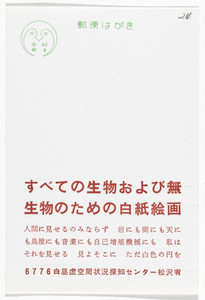
A Blank Painting for All Living and Non-Living Beings (Postcard Painting I-01) from The Whole Works
Museum of Modern Art, New York
The Museum of Modern Art (MoMA) Collection
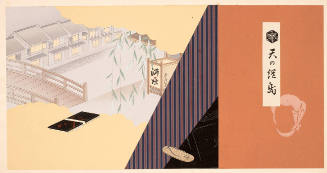
Libretto for the Jōruri Puppet Play 'The Love Suicides at Amijima', series One Hundred Poetry Illustrations: A Collection of Multicolor Woodblock Prints
Honolulu Museum of Art
Honolulu Museum of Art Collection

The Actors Ichimura Kamezo I as Urashima Taro and Takinaka Hidematsu I as Kanemoto Gozen in the play "Ichi no Tomi Seiwa Nendaiki," performed at the Ichimura Theater in the fifth month, 1746
Art Institute of Chicago
Art Institute of Chicago API

The Actors Nakamura Sukegoro II as Matano no Goro (right), Onoe Kikugoro I as Soga no Taro (center), and Otani Hiroji III as Kawazu no Saburo (left), in the Play Myoto-giku Izu no Kisewata, Performed at the Ichimura Theater in the Eleventh Month, 1770
Art Institute of Chicago
Art Institute of Chicago API

The Actors Ichikawa Danzo III as I no Hayata Tadazumi (right), and Matsumoto Koshiro II as Osada no Taro Kagemune (left), in the Play Nue no Mori Ichiyo no Mato, Performed at the Nakamura Theater in the Eleventh Month, 1770
Art Institute of Chicago
Art Institute of Chicago API

The Actors Matsumoto Koshiro II as Osada no Taro Kagemune Disguised as the Woodcutter Gankutsu no Gorozo (right), and Ichikawa Danzo III as I no Hayata Tadazumi (left), in the Play Nue no Mori Ichiyo no Mato, Performed at the Nakamura Theater in the Eleventh Month, 1770
Art Institute of Chicago
Art Institute of Chicago API

The Actors Ichikawa Danzo III as I no Hayata Tadazumi (right), and Matsumoto Koshiro II as Osada no Taro Kagemune Disguised as Yatsurugi Zaemon (left), in the Play Nue no Mori Ichiyo no Mato, Performed at the Nakamura Theater in the Eleventh Month, 1770
Art Institute of Chicago
Art Institute of Chicago API

The Actors Ichikawa Komazo II as Minamoto no Yorimasa (right), Matsumoto Koshiro II as Osada no Taro Kagemune Disguised as Yatsurugi Zaemon (center), and Ichikawa Danzo III as I no Hayata Tadazumi (left), In the Play Nue no Mori Ichiyo no Mato, Performed at the Nakamura Theater in the Eleventh Month, 1770
Art Institute of Chicago
Art Institute of Chicago API

The Actor Nakayama Kojuro VI as Osada no Taro Kagemune (in Reality Hatcho Tsubute no Kiheiji), in the Guise of a Lamplighter of Gion Shrine, in Act Three from Part One of the Play Yukimotsu Take Furisode Genji (Snow-Covered Bamboo: Genji in Long Sleeves), Performed at the Nakamura Theater from the First Day of the Eleventh Month, 1785
Art Institute of Chicago
Art Institute of Chicago API

The Actors Bando Mitsugoro I as Hata no Kawakatsu (right), and Otani Hiroemon III as the Manservant (Yakko) Gansuke (left), in the Play Miya-bashira Iwao no Butai (Shrine Pillars on a Stone Base), Performed at the Morita Theater from the Fifteenth Day of the Seventh Month, 1773
Art Institute of Chicago
Art Institute of Chicago API

The Actors Nakayama Kojuro VI as Osada Taro Kagemune (in Reality Hatcho Tsubute no Kiheiji) in the Guise of a Lamplighter of Gion Shrine (left), and Sawamura Sojuro III as Komatsu no Shigemori (right), in Act Three from Part One of the Play Yukimotsu Take Furisode Genji (Snow-Covered Bamboo: Genji in Long Sleeves), Performed at the Nakamura Theater from the First Day of the Eleventh Month, 1785
Art Institute of Chicago
Art Institute of Chicago API

The Actors Nakamura Nakazo I as Chinzei Hachiro Tametomo Disguised as a Pilgrim (left), and Ichikawa Danjuro V as Kazusa no Gorobei Tadamitsu (right), in the "Silent Encounter" Scene (Dammari) from the End of Part One of the Play Kitekaeru Nishiki no Wakayaka (Returning Home in Splendor), Performed at the Nakamura Theater from the First Day of the Eleventh Month, 1780
Art Institute of Chicago
Art Institute of Chicago API
The Oriental navigator, or, Directions for sailing to, from, and upon the coasts of, the East-Indies, China, Australia...To the work are prefixed a series of ... tables of the determined positions of all the principle points and places from the British seas to Cape Horn, the Cape of Good Hope, and thence to the islands of Japan, by John Purdy. (Plan of Chatham Island, &c. Whittle & Laurie, London, 1815.)
National Library of Australia
Trove: National Library of Australia
Last Updated: 2020-06-05
Uploaded: 2021-07-22