
Hard Fighting Between Japan and China at Pingyang (Dai Nihon to Shinkoku to ryōgun Heijō gekisen no zu)

- People
- Time
- Owner Organization

Hard Fighting between Japan and China at Pingyang (Dai Nihon to Shinkoku to ryōgun Heijō gekisen no zu)

Japan's Great Victory at Pingyang (Nihon taishō Heijō gekisen no zu)

The Assault on Pingyang . . . (Heijō gekisen...)

Great Victory at the Battle of Pingyang (Heijō gekisen daishōri no zu)

The Russo-Japanese War: Hard Fighting near Pingyang

Japan and China Fight Each Other Fiercely at Pingyang, Korea (Dai Nihon Shina Chōsen Heijō daigekisen no zu)

Hard Fighting at Pingyang Displays the Japanese Spirit to the World (Heijō daigekisen wakon o kaigai ni kagayakasu)

A Great Naval Battle between Japan and China (Dai Nihon to Shinkoku to kaigun daisensō)

The Japanese Army Wins a Great Victory at Pingyang (Heijō gekisen waga gun daishōri no zu)

A Great Battle at Pingyang (Heijō daisensō no zu)

A Battle at Pingyang: Imperial Japan's Great Victory (Heijō gekisen teikoku daishōri)

The Great Sino-Japanese War: Japan's Victory at Pingyang (Nisshin dai sensō no zu: Heijō no daishōri)

The Sino-Japanese Battle at Pingyang (Nisshin Heijō daigekisen no zu)

The Korea War: A Great Battle between Japan and China: No. 3 (Chōsen jiken Nisshin dai gekisen no zu: dai san)

A Fierce Naval Battle between Japan and China off Takushan: No. 17 (Nisshin kaigun Daikosan oki gekisen zu: dai jūshichi)

The Japanese Army's Great Victory at Pingyang (Nichi gun Heijō taishō no zu)

"Banzai" "Banzai" for the Great Japanese Empire: The Great Victory in the Fierce Battle of Pingyang (Dai Nihon teikoku banbanzai Heijō gekisen taishōzu)

The Japanese Army Defeats the Chinese Forces at Pingyang (Waga gun Heijō no Shinhei o gekiha suru zu)

The Japanese Army Conquers Pingyang (Waga gun Heijō o otoshiireru no zu)

Heijo gekisen waga gun dai-shori no zu (Object)

The Korea War: A Fierce Battle between the Japanese and the Chinese Forces, No. 2 (Chōsen Jiken: Nisshin dai gekisen no zu, dai ni)

The Japanese Army's Victory at Pingyang (Heijō wagahei daishōri)

A Fierce Street-to-Street Fight at Newchang (Nyūchan shigai gekisen no zu)

The Japanese Second Army Battles Hard at Chinchou (Dai ni gun Kinshūjō daigekisen no zu)
Hard Fighting between Japan and China at Pingyang (Dai Nihon to Shinkoku to ryōgun Heijō gekisen no zu)

The Occupation of Weihaiwei (Ikaiei senrō no zu)
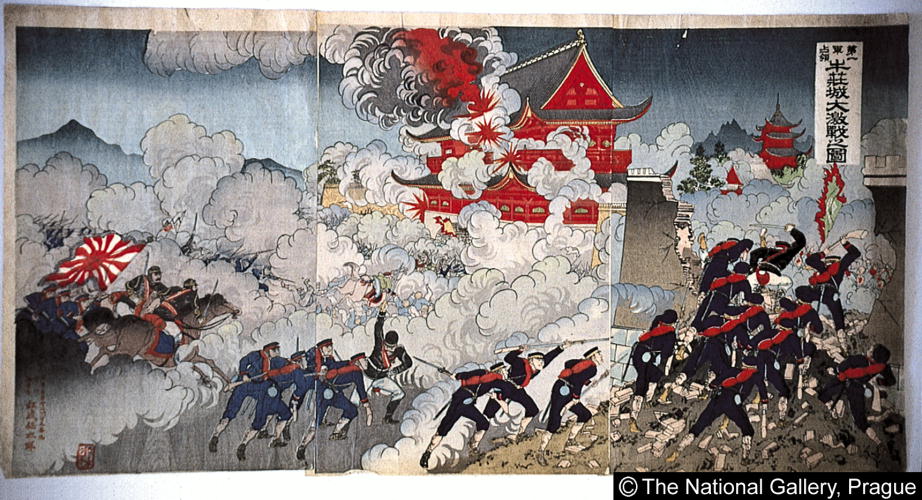
The First Army's Battle and Occupation of Niu-chuang

"Banzai" for the Japanese Navy and Army; A Fierce Battle near Weihaiwei

Banzai! Banzai! For the Great Japanese Empire: The Assault on Songhwan (Dai Nihon teikoku banbanzai: Seikan shūgeki waga gun taishō no zu)

The Japanese Forces Attack Pingyan (Nichigun Heijō daishingeki no zu)

A Fierce Battle at Anson River Crossing in Korea (Chōsen Anjōwatashi no gekisen no zu)
Eastern Genji: The Garden in Snow (Azuma Genji yuki no niwa)
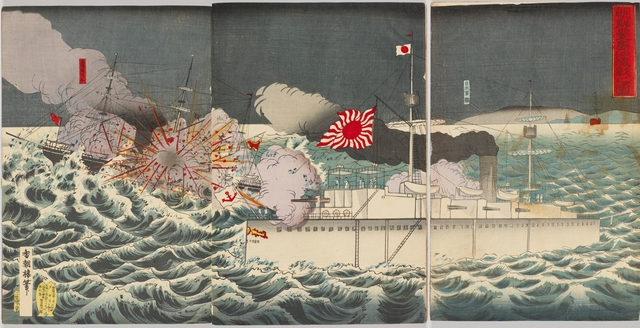
China War Scenes, Various Artists (Album)
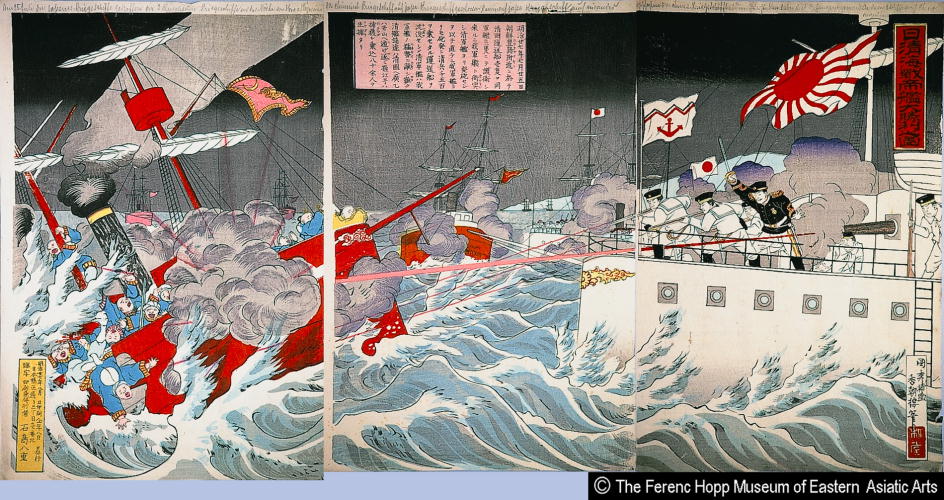
Great Victory of Imperial Forces in Sea Battle during the Sino-Japanese War

Nakamura Keishi Tomijūrō II as Kumonryū Shishin (a); Nakamura Baigyoku Utaemon III as Nyūunryū Kō Sonshō (b); Nakamura Keishi Tomijūrō II as Ko Sanjō Ichijōsei (c); Arashi Rikan II as Rōrihaku Chōjin (d)

"Banzai" for the Imperial Japanese Army and Navy: A Naval Battle near Port Arthur (Teikoku riku kaigun banzai; Ryojunkō fukin kaisen no zu)
Triptych: Off Kaiyōjima the Japanese Destroyer was Victorious (Kaiyōjima oki nikkan taishō)
Clear Weather after Snow in the Precincts of the Kanda Myōjin Shrine (Kanda Myōjin keidai yukibare no zu), from the series Famous Places in the Eastern Capital (Tōto meisho)

「安城渡ノ激戦我軍大捷之図」

China War Scenes, Various Artists (Album)
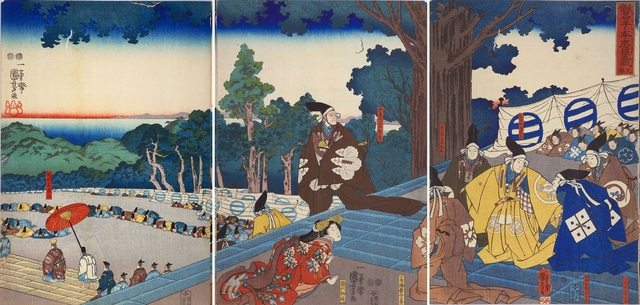
Scene from the Play "Kanadehon Chushingura" : Opening Act ( Triptych )

Naval Battle Scene
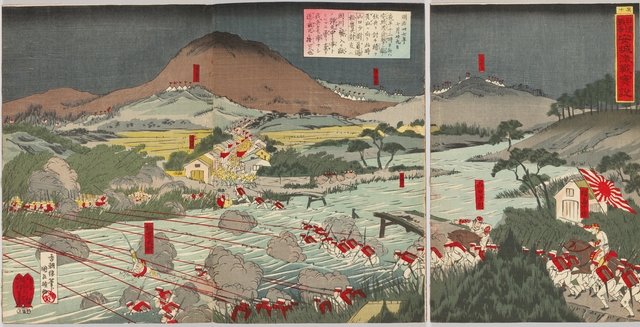
China War Scenes, Various Artists (Album)

Japan and China Fight Each Other Fiercely at Asan, Korea (Dai Nihon Shina Chōsen Gazan daigekisen no zu)

Our Army Attacks Port Arthur (Wagagun Ryojunkō o kōgeki suru zu)

No. 8: Our Army's Victory at Asan (Sono hachi: Gazan ni wagahei shōri o uru)

A Sailor of Our Warship, Sazanami, Jumped into the Deck of a Russian Ship. With a Thundering Cry, "Hey, You!" He Cut at the Enemy Captain, and then Kicked Him off the Deck into the Water (In the Sea Battle near Port Arthur, March 10, 1904)
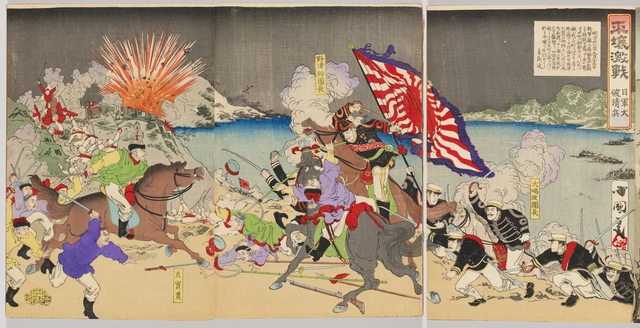
China War Scenes, Various Artists (Album)
Uploaded: 2022-09-27