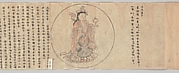


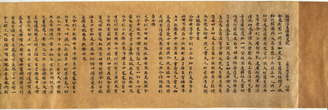
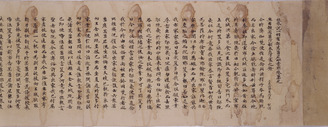
九曜秘暦
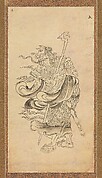
土曜図像
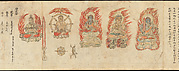
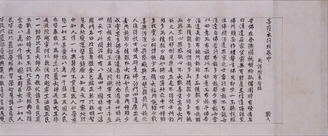
『図像抄』〈十巻抄〉明王部諸尊

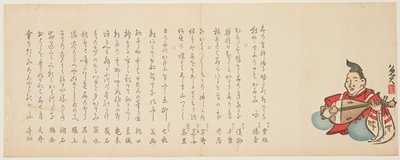
Display of Dolls and Toys on the Girls' Festival in March

Li Kui (Kokusenpu Riki, ichimei Ritetsugyu), from the series "One Hundred and Eight Heroes of the Popular Water Margin (Tsuzoku Suikoden goketsu hyakuhachinin no hitori)"

Li Kui (Kokusenpu Riki, ichimei Ritetsugyu), from the series "One Hundred and Eight Heroes of the Popular Water Margin (Tsuzoku Suikoden goketsu hyakuhachinin no hitori)"

Zheng Tianshou (Hakumenrokun Teitenja), from the series "One Hundred and Eight Heroes of the Popular Water Margin (Tsuzoku Suikoden goketsu hyakuhachinin no hitori)"

The Evening Bell of the Nun (Bikuni no bansho), from the series "Eight Views of Fashionable Human Relations (Furyu jinrin mitate hakkei)"
![No. 20: Rain on the Hiratsuka Plain near Kutsukake Station (Niju: Kutsukake no eki, Hiratsukahara uchu no kei), from the series "[Sixty-nine Stations of the] Kisokaido (Kisokaido [rokujukyu tsugi no uchi])"](https://www.artic.edu/iiif/2/d3b76c60-90b8-2c8d-6e49-9152a952688f/full/200,/0/default.jpg)
No. 20: Rain on the Hiratsuka Plain near Kutsukake Station (Niju: Kutsukake no eki, Hiratsukahara uchu no kei), from the series "[Sixty-nine Stations of the] Kisokaido (Kisokaido [rokujukyu tsugi no uchi])"
![Wu Song (Seikaken no san Busho), from the series "One Hundred and Eight Heroes of the [Popular] Water Margin ([Tsuzoku] Suikoden goketsu hyakuhachinin no hitori)"](https://www.artic.edu/iiif/2/23382e7e-264e-b9ce-95df-22563187a2a8/full/200,/0/default.jpg)
Wu Song (Seikaken no san Busho), from the series "One Hundred and Eight Heroes of the [Popular] Water Margin ([Tsuzoku] Suikoden goketsu hyakuhachinin no hitori)"
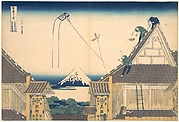
冨嶽三十六景 江都駿河町三井見世略図
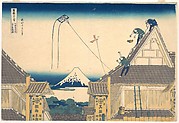
冨嶽三十六景 江都駿河町三井見世略図
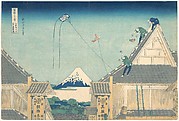
冨嶽三十六景 江都駿河町三井見世略図

The Actors Nakajima Mihoemon II as Fujiwara no Shihei, Minister of the Left (center, in the carriage), Ichikawa Ebizo III as Matsuo-maru (center, kneeling on the ground), Ichikawa Yaozo II as Sakura-maru (right), and Ichimura Uzaemon IX as Umeo-maru (left), in the "Carriage Stopping" (Kuruma-biki) Scene from the Play Sugawara Denju Tenarai Kagami (Sugawara's Secrets of Calligraphy), Performed at the Ichimura Theater from the Sixteenth Day of the Seventh Month, 1776
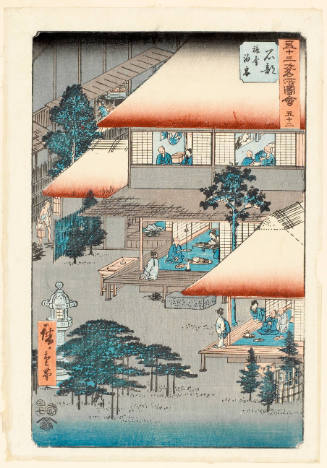
Guests at an Inn at Ishibe (Ishibe Ryosha Tomarikyaku), series Pictures of Famous Places on the Fifty Three Stations (五十三次名所図会(竪絵東海道))
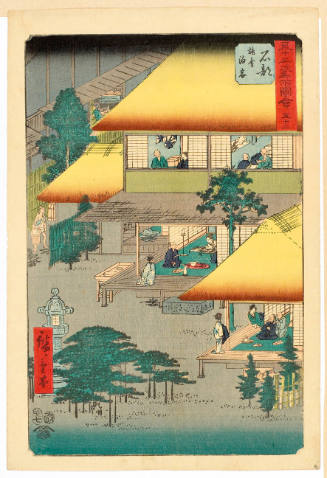
Guests at an Inn at Ishibe (Ishibe Ryosha Tomarikyaku), series Pictures of Famous Places on the Fifty Three Stations (五十三次名所図会(竪絵東海道))
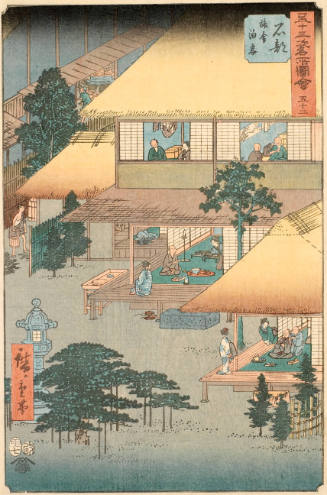
Guests at an Inn at Ishibe (Ishibe Ryosha Tomarikyaku), series Pictures of Famous Places on the Fifty Three Stations (五十三次名所図会(竪絵東海道))
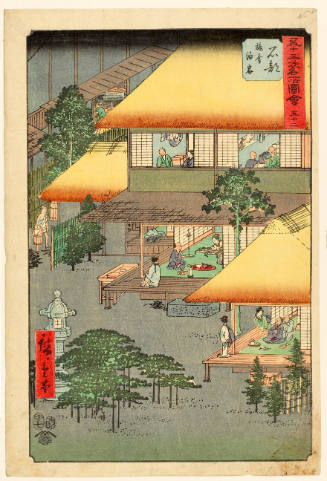
Guests at an Inn at Ishibe (Ishibe Ryosha Tomarikyaku), series Pictures of Famous Places on the Fifty Three Stations (五十三次名所図会(竪絵東海道))
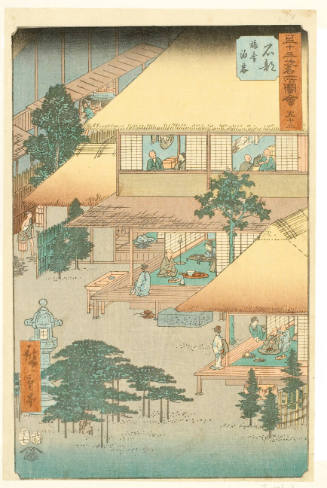
Guests at an Inn at Ishibe (Ishibe Ryosha Tomarikyaku), series Pictures of Famous Places on the Fifty Three Stations (五十三次名所図会(竪絵東海道))

The Actors Ichikawa Monnosuke II and Segawa Kikunojo III as the Lovers Seijuro (right) and Onatsu (left), in the Elopement Scene "Michiyuki Hiyoku no Kiku-cho" (An Elopemet: Chrysanthemum-and-Butterfly Lovebirds), a Dance Interlude from Part Two of the Play Kabuki no Hana Bandai Soga (Flower of Kabuki: The Eternal Soga), Performed at the Ichimura Theater from the Twenty-fifth Day of the Fourth Month, 1781

The Japanese Infantry Company Conquered the Fortress of Fenghuang-cheng. Before Fleeing, the Russians Blew Up Their Own Ammunition Dump. (Waga gun hohei no ichibutai o motte Hōōjō o senryōsu tekigun haisō ni oyonde mizukara danyakuku o yaku)





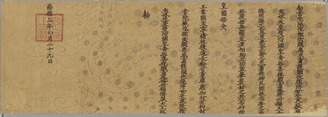

![[しゅ天童子]](http://iiif.lib.keio.ac.jp/iipsrv/NRE/132X-145-3-2/tif/2_001.tif/full/200,/0/default.jpg)








最終更新日: 2023-07-23
登録日: 2023-08-04