
Nihon musan kaikyū wa Manmō mondai o dō miru.

- Time
- Owner Organization

Sekai no o wa Nippon nari (Object)

Nihon kaigun ryojunkō daigekisen
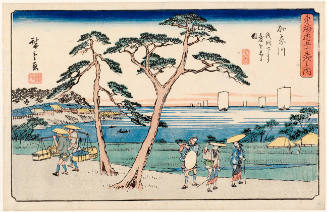
Kanagawa (Kanagawa Asama Shita Yori Dai o Miru Zu), series The Fifty-three Stations of the Tōkaidō
Katase: View of the Seashore from Mount Shichimen (Katase, Shichimenzan yori umibe o miru), from the series (?) The Enoshima Road on the Tōkaidō (Tōkaidō no uchi Enoshima michi)
Dai Nihon Hokkaidō jūichikakoku ryakuzenzu : fu Okui / Matsuda Ryokuzan sei

Onuma Park, Hokkaido, from the series "Collection of Scenic Views of Japan, Eastern Japan Edition" (Nihon fukei shu higashi Nihon hen, Hokkaido Onuma koen)
![Dai Nihon Dochu Hayabiki Saiken no Dzu [Guide to Japan]](https://collections.library.yale.edu/iiif/2/15510843/full/!200,200/0/default.jpg)
Dai Nihon Dochu Hayabiki Saiken no Dzu [Guide to Japan]

A Great Japanese Victory over the Chinese Army at Pingyang (Nihon daishōri Heijō no tatakai ni Shinhei o yaburu)

The Victorious Japanese Forces Attack the Asan Battery in Korea (Nihon daishōri Gazan no hōrui o kogeki no zu)

Kanagawa: View of the Embankment from Asama (Kanagawa; Asama shita yori dai o miru zu), No. 4 from the Gyōsho Tōkaidō series Fifty-Three Stations of the Tokaido (Tōkaidō gojūsan tsugi)

The Japanese Forces Occupy Fenghuang-cheng: "Banzai" for the Great Victory of the Great Japanese Army (Waga gun Hōōjō o senryō su Dai Nihon rikugun daishōri banzai)

Japanese Cavalry Forces Drove the Enemy Away from Sandaitzu, While an Infantry Company Occupied Fenghuang-cheng; Japan's Great Victory (Waga kihei Sandaishi no teki o gekitai shi hōhei no ichibutai wa Hōōjō o senryōsu daishōri no zu)
Awabi Shell Diver and Children with text beginning "Kyō wa ne no hi no ama naraba kami matsu o oda ni hikamashi mono o...", from the Tosa Diary series (Shōfudai Hisakataya Bunbunsha Tosa nikki), with poems by Kajitsute Tokiwa and associates

Onuma Park in Hokkaido (Hokkaido Onuma koen), from the series "Collection of Views of Japan II, Kansai Edition (Nihon fukei shu II Kansai hen)"

No. 2: Chinese boys copying paintings and writing Japanese, from the series "Children Say 'This is Japan!' and Imitate the Games They See in Picturebooks (Yodo iu koitsu wa Nippon, ezoshi o mite yori sono gai ni asobu)"
Miyo! Kyūhakuseru Nichi-Ro no jōsei o : kokubō jūjitsu zettai kyōka no kansei e!! : jishu sekkyokuteki gaikō e tosshin seyo!! / Dai Nihon Shukokukai Yogo Kōji sekinin kōan

The Japanese Navy Wins a Great Victory in a Fierce Battle off Takushan (Nisshin kaisen Daidosan oki daigekisen: Dai Nihon kaigun daishōri no zu)
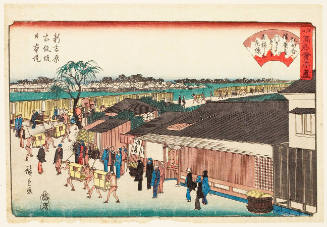
Harimaya on the Emonzaka Slope of Nihon Embarkment at Shin-Yoshiwara, series Grand Series of Famous Tea Houses of Edo

No. 4: Chinese boys playing a raffle game, from the series "Children Say 'This is Japan!' and Imitate the Games They See in Picturebooks (Yodo iu koitsu wa Nippon, ezoshi o mite yori sono gai ni asobu)"

The Japanese Russian War No. 2 Naval Fight before the Harbour of Port Arthur. The Russian Men-of War Torpedoed by the Japanese Aquadron (sic). (Nichiro Sensō ga dai ni: Nihon teikoku kantai Ryojun kōgai ni Rokoku gunkan o gekichin su)

The Japanese Forces Advance Fiercely to Attack Port Arthur from Behind (Wagagun mōshin shite Ryojun no haimen o kōgekisu)

科學的軍備と現代戰爭 /

濠洲の抗戰能力 /

コミンテルンの成立と發展 /

マルクス主義文學鬪爭 /

日本資本主義發達史序論 /

地方鐵道及軌道の營業成績 /

Kyōsantō sengen

唯物史觀のために /

五ヶ年計画を觀る /

史的唯物論教程 /

プロレタリア科學入門 /

資本主義の一般的危機 /

Kao wa kokoro no kanban

辯證法的唯物論

プロレタリア經濟學の方法論 /

「マルクス主義經濟學」 教程 /

ク-ゲルマンへの手紙 /

Sovēto Dōmei no keizai kensetsu

新帝國主義論 /

おれたちの歌 /

正しい性教育 /

勞働組合教程 /

世界經濟と世界政治 /

ボルシェヴィキ- の綱領 /
Last Updated:
Uploaded: 2021-09-20