Triptych: Yakusha jigao mitate [?] [?] Chūshingura

- People
- Time
- Owner Organization
Yakusha jigao mitate [?] [?] Chūshingura
Yakusha jigao mitate [?] [?] Chūshingura
Yakusha jigao mitate [?] [?] Chūshingura

triptych print; mitate-e

triptych print; mitate-e
Triptych: Actors as the Sixteen Arhats (Mitate: Jūroku Rakan)
Triptych: Ushiwaka (Minamoto Yoshitsune) Battling Tengu (Mitate setsu-getsu-ka no uchi kurama zuki)
from the series Actors Representing the Seven Komachi (Mitate yakusha nana Komachi)
Actors as the Sixteen Arhats (Mitate: Jūroku Rakan)
Actors as the Sixteen Arhats (Mitate: Jūroku Rakan)

Yuki mitate shūka kasugaya tokijirō
Act Six from the series Treasury of Loyal Retainers (Chūshingura) Parodied by Famous Beauties: A Set of Twelve Prints (Komei bijin mitate Chūshingura, junimai tsuzuki)

Arashi Rikan II in a Mitate Role, Wankyū (left panel); Nakamura Matsue III in a Mitate Role, Matsuyama (right panel)

Matsumoto Koshiro IV and Nakayama Tomisaburo, the left hand sheet of a triptych entitled “Six Actors Likened to the Immortal Poets" ("Yakusha Rokkasen")
Triptych: Kiyomasa Ryōjū o Ikedorite Denka no Jinchū ni Hikashimu (Ehon Taikōku: maki chū)

Night Rain in the Grove at Gion Shrine (Gion bayashi yau), from the series "Selected Eight Views (Mitate hakkei)"

Mt. Tate in Etchū Province (Etchū Tateyama), from the series Wrestling Matches between Mountains and Seas (Sankai mitate sumō)
Triptych: Surrender of Admiral Ding Ruchang of the Northern (Chinese) Fleet at the Fall of Weihaiwei (Ikaiei kanraku hokuyōkantai teitoku teijoshō kofukuzu)

The Evening Bell of the Nun (Bikuni no bansho), from the series "Eight Views of Fashionable Human Relations (Furyu jinrin mitate hakkei)"

Mitate: Nakamura Baigyoku (Utaemon III) as Tsujikaze Happei (a); Arashi Rikan II as Ushiwaka Saburō (b); Nakamura Shikan II as Inaba Tarō (c); and Iwai Shijaku as Inaba (d)
Woman Strolling to Marishiten Shrine/ Boar (I) -- Shitaya, from the series Allusions to the Twelve Zodiac Animals at Famous Places in Edo for the Ichiyō Circle (Ichiyōren Edo meisho mitate jūnishi), with poems by Bunkyosha Takamaru, Bunshukusha Otoyoshi
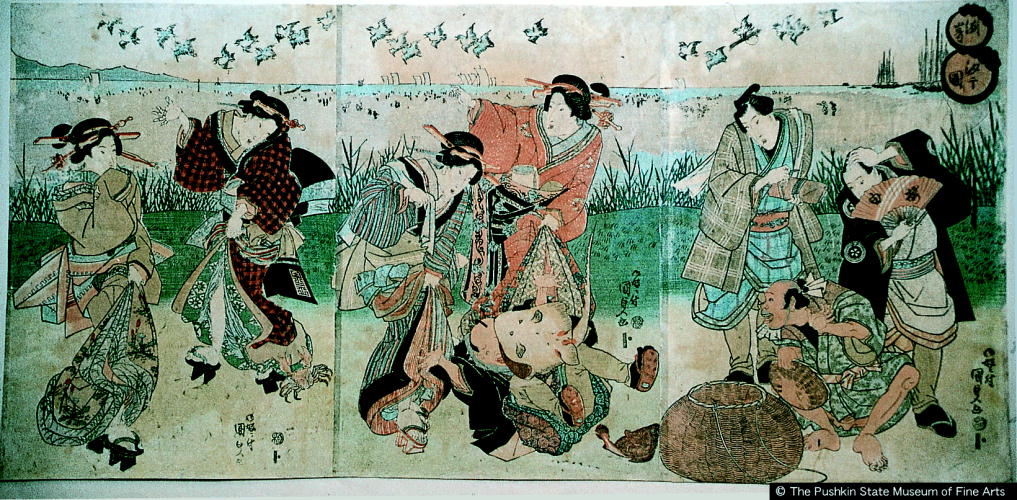
Ebb Tide at Suzaki
Triptych: Narihira Ason shokan ryaku
Triptych: Women and Children
Triptych: Buyō Asukayama Shōkei
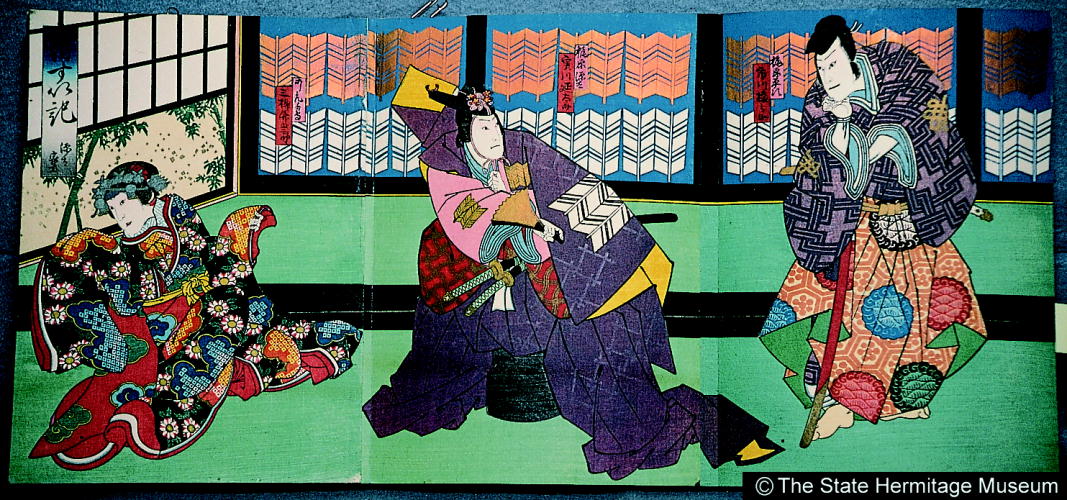
Seisuiki
Triptych: Courtesans Writing on Gaku as Offerings to the Temple Asakusa (Asakusa Kannon hōshoku-gaku no zu)
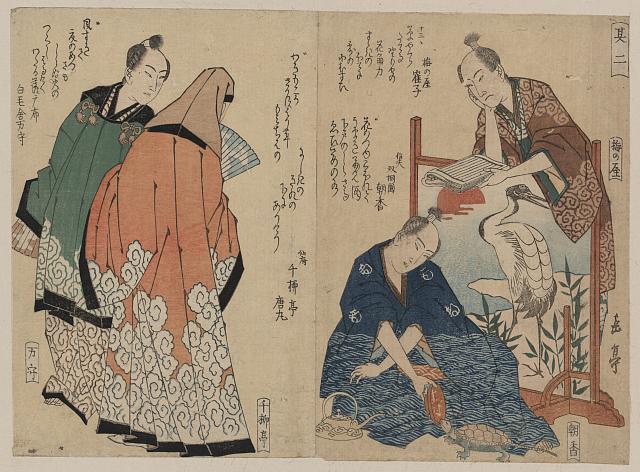
「(狂歌八大家)」「其二」 「梅の屋」「朝香」「千柳亭」「万守」

Onoe Kikugorō III and Nakamura Shikan II (right panel); Ichikawa Ebijūrō I and Asao Kunigorō (center panel); Sawamura Kunitarō II and Ichikawa Ichizō II (left panel)
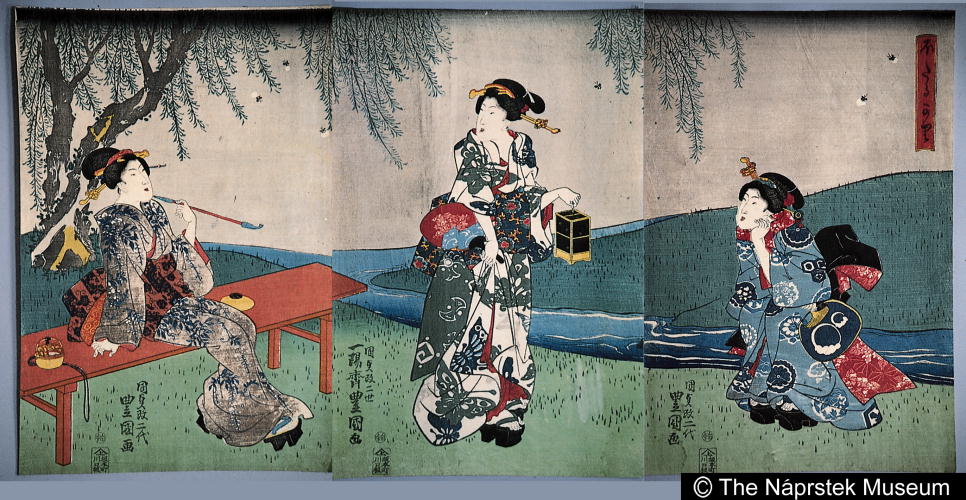
Catching Fireflies

Modern Edo Purple (Tōsei Edo Murasaki)
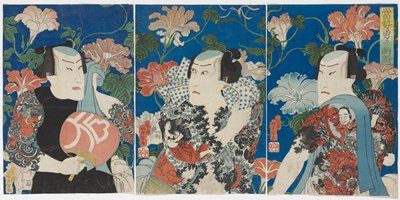
Modern gallants with morning glories
The courtesans Hanaōgi and Takigawa of the Ogi House from the printed album "A Competition Among the New Beauties of the Yoshiwara Mirrored in Their Writing" (Yoshiwara keisei shin bijin awase jihitsu kagami)
Triptych: Courtesans with Kamuro

One Hundred Forms of Otafuku

The Japanese Army's Victory at Pingyang (Heijō wagahei daishōri)
SIX IMMORTAL POETS (ROKKASEN), one each by six Katsukawa school artists
Procession of Women Carrying Palanquin
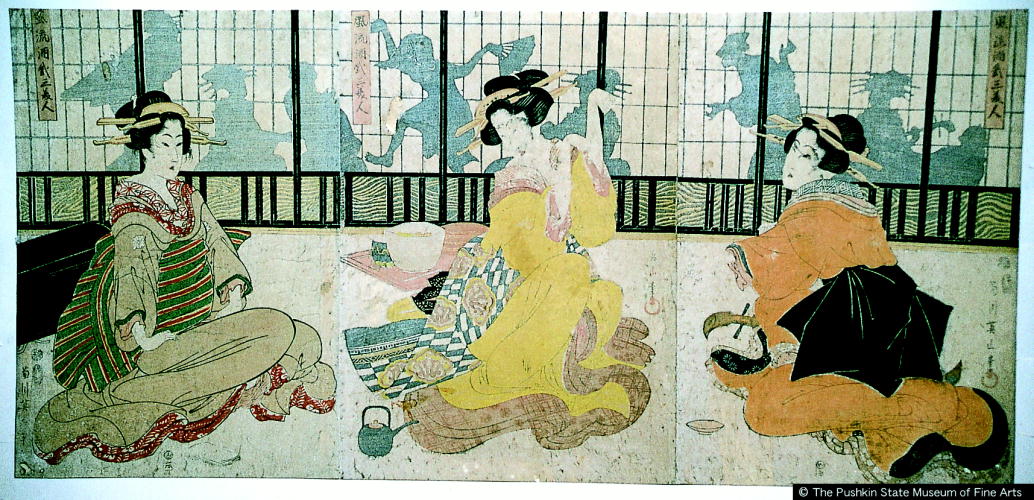
The Elegant Merrymaking of Three Beauties
Triptych: Three Kabuki Actors
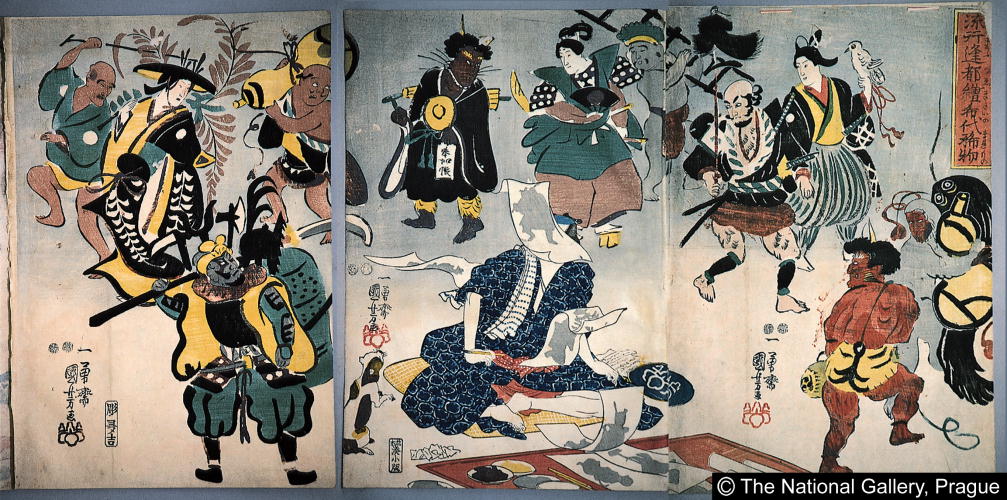
Toki ni Ootsu-e kidai no maremono
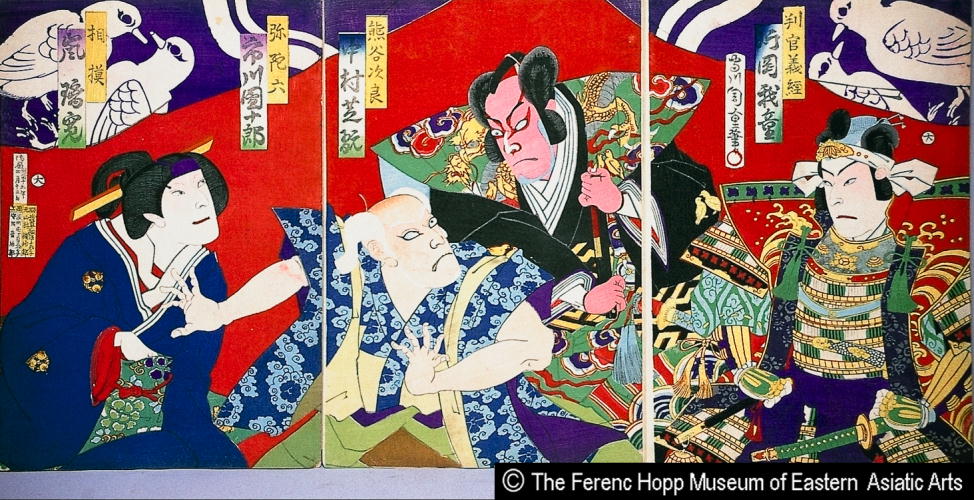
Kataoka Gadoo/Nakamura Shikan/Ichikawa Danjuuroo/Arashi Rikan

Japan

Seinan yume monogatari Arashi Rikan/Arashi Kitsusaburoo/Nakamura Jakuemon/Nakamura Kanjaku

Ichimuraza nakamaku Sawamura Soonosuke nadai hirome
Last Updated:
Uploaded: 2021-07-21