
"Christ in Bronze" written by Nagayo Yoshiro. Night of Maruyama Yukaku
- People
- Time
- Owner Organization
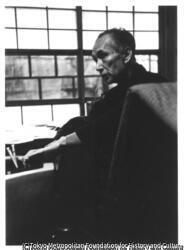
"Christ in Bronze" written by Nagayo Yoshiro. The author
Tokyo Photographic Art Museum
Tokyo Museum Collection

"Christ in Bronze" written by Nagayo Yoshiro. Hollander Slope (Higashi-Yamatemachi)
Tokyo Photographic Art Museum
Tokyo Museum Collection
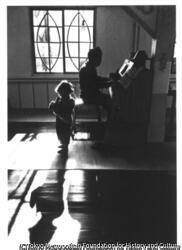
"Christ in Bronze" written by Nagayo Yoshiro. Farmer playing an organ in a church
Tokyo Photographic Art Museum
Tokyo Museum Collection
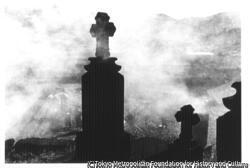
"Christ in Bronze" written by Nagayo Yoshiro. The graves of believers massacred in the anti-Christian period (around Uragami)
Tokyo Photographic Art Museum
Tokyo Museum Collection
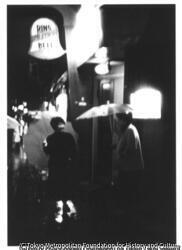
"The Beautiful Woman" written by Rinzo Shiina. Women of the night in Sannomiya-ikutasuji
Tokyo Photographic Art Museum
Tokyo Museum Collection
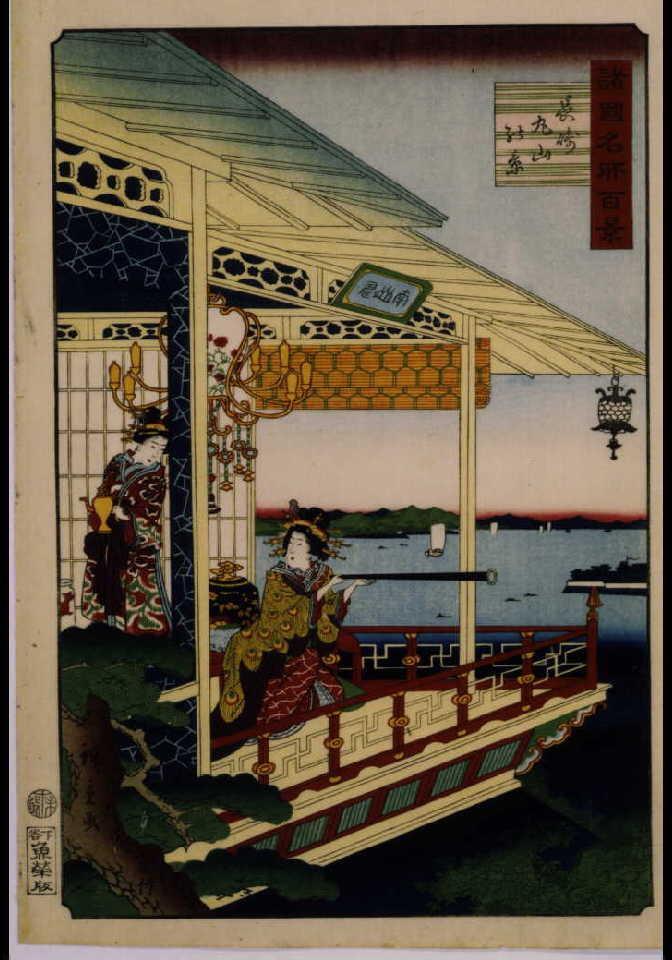
One Hundred Views of Famous Places in the Provinces: View of Maruyama, Nagasaki
Edo-Tokyo Museum
Tokyo Museum Collection
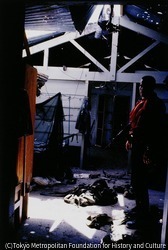
Interior of a government military base that suffered catastrophic damage as theresult of a night raid by NLF
Tokyo Photographic Art Museum
Tokyo Museum Collection
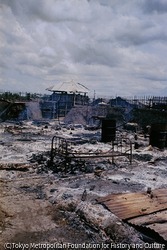
Catastrophic damage at a government military base as a result of a night raid by NLF
Tokyo Photographic Art Museum
Tokyo Museum Collection
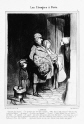
Strangers in Paris 1: The arrival: What, no room!... -Not even for your hat-box... -What about in the sitting-room? -Twenty one Englishmen are in there... -In the attic?... -I've put eleven Savoyards in there... -In the celler?... -Fifteen Polish people have set up home... -Oh! hang it...oh! damnation... oh! Good God!...are we going to spend the night by the side of a milestone?... -That's what you'd better do, because then the night patrol will get you out of trouble quickly by taking you to sleep at the Prefecture of Police's office, Saint Martin cell!... specially reserved for the homeless and poodles without papers!..
The National Museum of Western Art, Tokyo
Union Catalog of the Collections of the National Art Museums, Japan
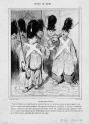
JOURNEY TO CHINA 19: CHINESE WORRIORS. All Chinese men have the right, from six to eight times a year, to carry a rifle, a cartridge-pouch, and even to wear a fur cap; then they apply themselves, more or less voluntarily to night patrols which have as their goal the maintenance of public peace. Only it happens quite often that the chief named KA-PO-RAL takes infinite trouble to prevent his warriors singing at the tops of their voices “mother GO-DI-CHON” or other Chinese ballads, and it is by waking with a start that the good citizens learn that their rest is being watched over
The National Museum of Western Art, Tokyo
Union Catalog of the Collections of the National Art Museums, Japan
Last Updated: 2021-03-14
Uploaded: 2026-03-25