

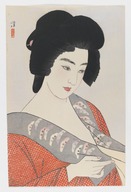
The Geisha Ichimaru
ブルックリン美術館
ブルックリン美術館API

The geisha :
アントワープ・モード博物館
ヨーロピアナAPI

Sawamura Kitō I as the geisha Kikuno
フィラデルフィア美術館
フィラデルフィア美術館コレクション
Geisha as the Seven Gods of Good Fortune (Shichifukujin)
ハーバード美術館
ハーバード美術館API

The Geisha Emu of Matsuya as a Cormorant Fisher
フリーア・サックラー
DPLA API

Geisha Kiju of Kyōki as Yūgao
フィラデルフィア美術館
フィラデルフィア美術館コレクション

Geisha Chō of the Kyō-Ōgiya as Yuagari (after the Bath)
フィラデルフィア美術館
フィラデルフィア美術館コレクション

The Japanese Opera: The Geisha
ベルギー王立文化遺産研究所
ヨーロピアナAPI
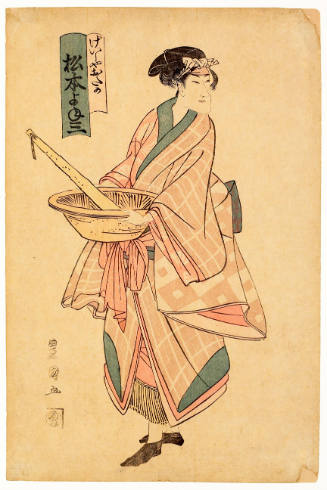
Matsumoto Yonesaburō I as Geisha Otaka
ホノルル美術館
ホノルル美術館コレクション

Actors Segawa Kikusaburo as the geisha Kikuno and Arashi Hinasuke as Satsuma Gengobei
フリーア・サックラー
DPLA API

Geisha Maki of Zenigen as Sekidera Komachi
フィラデルフィア美術館
フィラデルフィア美術館コレクション

Geisha Yana of Daisei as Ama no Ukihashi, the Goddess Izanami
フィラデルフィア美術館
フィラデルフィア美術館コレクション

The Geisha Kugatsuru of Naraya as a Woman Carrying a Pack
フリーア・サックラー
DPLA API

Geisha
オークランド美術館
デジタル・ニュージーランドAPI
Geisha
ベルリン民俗学博物館
ヨーロピアナAPI
Geisha
ベルリン民俗学博物館
ヨーロピアナAPI
Geisha
ヒューストン美術館
ヒューストン美術館コレクション
Geisha
ヒューストン美術館
ヒューストン美術館コレクション

Geisha
オークランド美術館
デジタル・ニュージーランドAPI

Nelson Operatic Society, "The Geisha"
ネルソン地域博物館
デジタル・ニュージーランドAPI

Nelson Operatic Society, "The Geisha"
ネルソン地域博物館
デジタル・ニュージーランドAPI

Nelson Operatic Society, "The Geisha"
ネルソン地域博物館
デジタル・ニュージーランドAPI

Sawamura Kunitarō II as Kikuno, a Geisha
フィラデルフィア美術館
フィラデルフィア美術館コレクション

Geisha of Nakamoriken as Hashitame (a Maid)
フィラデルフィア美術館
フィラデルフィア美術館コレクション
最終更新日: 2019-12-12
登録日: 2020-12-17